Key Takeaways
- Choose one clear purpose for the weekend so your itinerary and packing list stay simple.
- Build the trip around arrival comfort, realistic transport times, and one flexible backup plan.
- Pack by outfits and weather needs, not by every possible scenario you can imagine.
- Check safety advice, weather, transport changes, and accommodation details shortly before leaving.
- Leave open space in your schedule and bag so the weekend feels restorative instead of rushed.
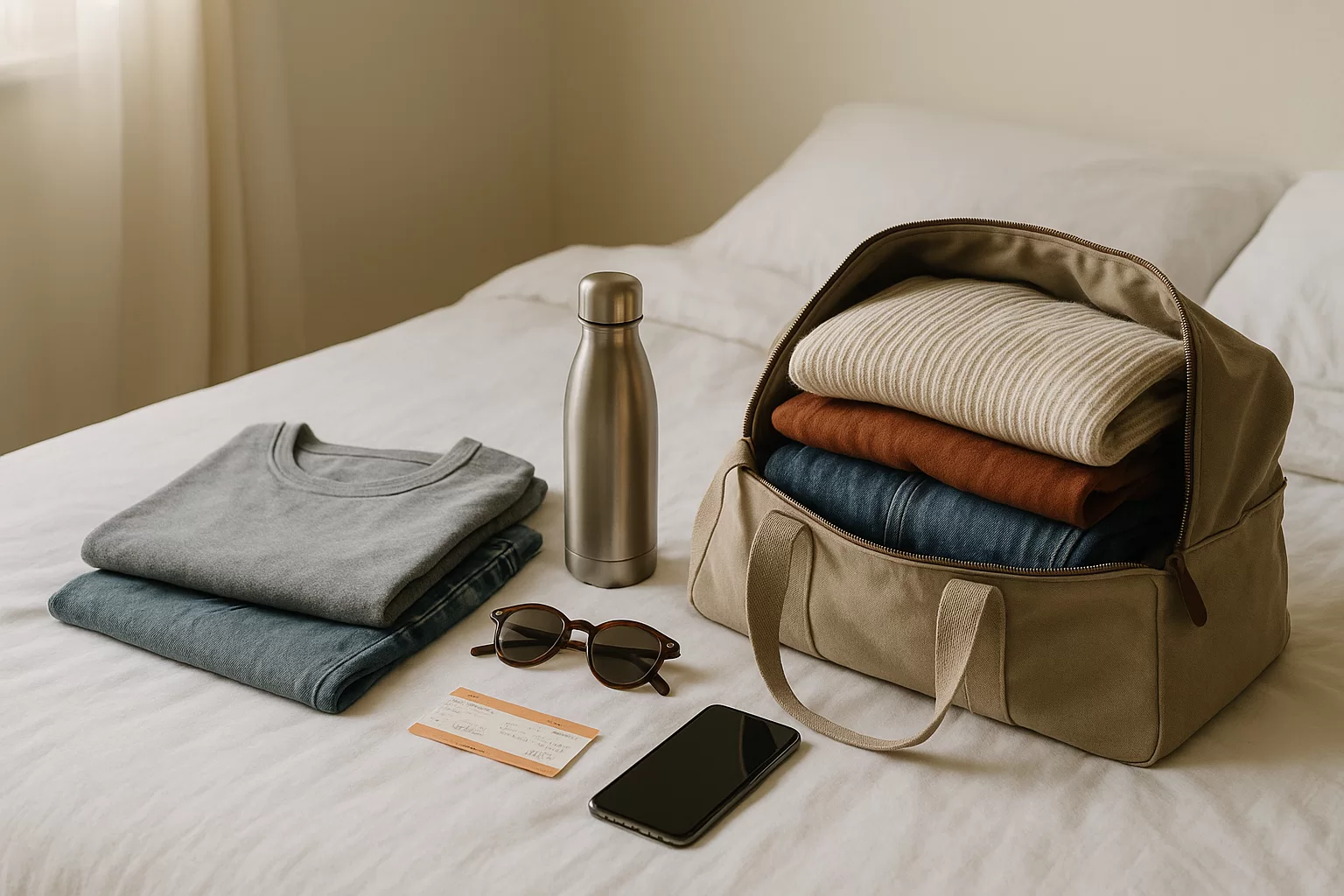
A calm weekend trip without overpacking starts before you touch a suitcase. The goal is not to make travel perfectly controlled; it is to remove the small frictions that make a short break feel like work.
This guide gives you a compact planning method for two or three days away, including timing, safety, budget, transport, weather, and a practical packing system that keeps your bag light without leaving you unprepared.
Quick Answer: For a calmer weekend, pick a nearby destination, decide the trip's main purpose, book transport that does not steal half the first day, and pack one small bag using outfit-based choices. Check weather, travel advisories, accommodation access, transport updates, and payment options within the final 48 hours. Limit your plan to one anchor activity per day, one backup indoor option, and one relaxed meal or rest window. You will feel better with fewer decisions, fewer transfers, and fewer items to manage than with a packed schedule and an overfilled suitcase.
Trip Decision Builder
Choose your trip style, weather, bag size, and priority to get a useful packing and planning direction.
Choose the options above, then build a recommendation you can use with the checklist, table, and sources in this guide.
How to Plan a Calm Weekend Trip Without Overpacking
The easiest way to plan a calm weekend trip without overpacking is to decide what the weekend is really for. Rest, food, nature, family, a concert, a museum visit, and a romantic break all need different choices. When the purpose is vague, people tend to overbook the itinerary and pack for every mood.
Use a one-line trip brief: “Two nights in Bath for walking, slow meals, and one spa booking” or “One night by the coast for fresh air and no laptop.” This turns planning into editing. If an activity, outfit, or extra gadget does not support the brief, it probably stays home.
Rest weekend
Book accommodation with easy check-in, a comfortable bed, and nearby food. Pack soft layers, sleep essentials, one book, and walking shoes. Skip late-night arrivals and complicated transfers.
Food weekend
Reserve one special meal and leave the rest flexible. Pack neat but repeatable outfits, comfortable shoes, and room for local snacks. Avoid bringing too many “just in case” dress options.
Nature weekend
Check trail conditions, daylight, and weather before choosing walks. Pack layers, rain protection, water, snacks, and footwear you already trust. Do not break in new shoes on a short trip.
Event weekend
Plan around the fixed event, not around a full sightseeing list. Pack the exact outfit, backup layer, ticket access, charger, and ID. Keep the next morning slow if the event ends late.
The one-page weekend plan
- Purpose: one sentence that explains why you are going.
- Anchor: one booked activity, meal, visit, or walk per day.
- Buffer: a rest window after arrival and before departure.
- Backup: one indoor option if weather or energy changes.
- Bag rule: one small case or backpack per person, plus essentials.
A common mistake is treating a weekend like a miniature two-week holiday. Short trips are more sensitive to delays because there is less time to recover. If your destination needs three transfers, a very early start, and a late return, ask whether it will still feel like a break.
Another useful filter is the “Sunday evening test.” Imagine getting home, unpacking, and preparing for Monday. If the plan leaves you exhausted, reduce distance, remove one booking, or choose a later departure. A weekend should return energy, not borrow it from the week ahead.
Choose Timing, Transport, and a Simple Budget
Timing shapes the mood of the whole trip. A cheaper journey that arrives at midnight, involves a risky connection, or forces you to pack formal clothes for an immediate dinner can create more stress than it saves. For calm travel, pay attention to arrival windows, not just departure times.
Budget planning also reduces overpacking. If you know you will eat casual meals, use public transport, and walk most places, you do not need multiple dress codes, extra shoes, or a bag full of emergency supplies. Keep a small contingency fund instead of carrying half your home.
| Trip choice | Calmer default | Pack impact | Check before booking | Avoid if |
|---|---|---|---|---|
| City train | Midday arrival | Walkable shoes | Station works | Many transfers |
| Road trip | Short drive | Car layers | Parking rules | Peak traffic |
| Short flight | Carry-on only | Liquid limits | Airport timing | Tight weekend |
| Coastal break | Windproof layer | Quick-dry items | Tide and weather | Stormy forecast |
| Nature stay | Daylight arrival | Trail footwear | Route access | Poor visibility |
| Event trip | Stay nearby | One event outfit | Ticket access | Late transport |
Current-check reminder: Before paying for non-refundable plans, confirm official travel advice, weather, local transport status, check-in instructions, cancellation terms, and any entry or identity document requirements that apply to your route. Do not rely on old screenshots or last year's rules.
A practical weekend budget
- Transport: include transfers, parking, fuel, baggage fees, tolls, and late-night rides.
- Sleep: check taxes, cleaning fees, deposits, breakfast, and luggage storage options.
- Food: plan one special meal and keep the rest flexible.
- Activities: book only the high-demand item; leave low-pressure choices open.
- Buffer: keep a small reserve for delays, weather changes, or a taxi back.
For transport, choose the option that gives you the lowest number of decisions on arrival. A direct train to a central station may beat a cheaper flight plus two transfers. A hotel near the reason for your trip may cost more upfront but save time, energy, and local transport costs.
If you are traveling with someone else, agree on money expectations early. Decide whether you are splitting every bill, alternating payments, or using a shared pot. Clear money habits are a quiet but powerful part of calm travel, especially on short trips where awkward conversations feel bigger.
Pack Light With Weather Checks and a Weekend Bag System
Overpacking often comes from packing categories instead of scenarios. Rather than adding “tops,” “bottoms,” “shoes,” and “extras,” pack for the actual moments you expect: travel, sleep, one daytime plan, one evening plan, and the journey home. Rewearing is normal on a weekend.
Check the forecast close to departure, but do not let a vague chance of weather double your bag. A compact umbrella or packable rain layer solves more problems than three spare outfits. For warm destinations, add sun protection; for cold ones, layer thin items rather than packing bulky duplicates.
The two-night light packing formula
- Travel outfit: comfortable enough for transit and presentable enough for arrival.
- One spare outfit: mix-and-match pieces that work for day or casual dinner.
- One sleep set: lightweight, familiar, and easy to repack.
- One extra layer: cardigan, fleece, overshirt, or packable jacket.
- One shoe strategy: wear the bulkiest pair and pack only if truly needed.
- Small toiletries: use travel sizes, solids, or accommodation basics when reliable.
- Essentials pouch: medication, documents, charger, payment card, and keys.
What to leave behind most weekends
- Extra shoes for a hypothetical fancy plan you have not booked.
- Full-size toiletries when small containers or provided basics will do.
- Multiple books, large electronics, and work gear you hope not to use.
- Duplicate jackets that solve the same weather problem.
- Outfits that only work if the whole trip goes perfectly.
Use a “pack, pause, remove” method. Lay everything out, step away for ten minutes, then remove at least three items: one clothing item, one toiletry, and one comfort item. This small edit usually catches the pieces you packed from anxiety rather than need.
For toiletries and medication, do not over-minimize. Keep necessary prescriptions in original or clearly labeled packaging where appropriate, and carry them in your personal bag. If you use contact lenses, allergy medicine, or specific skincare, bring enough for the weekend plus a small delay.
Weather nuance: Forecasts help you pack smarter, not heavier. Look at temperature range, rain timing, wind, humidity, and daylight. A chilly morning with a warm afternoon calls for layers; steady rain calls for footwear choices more than extra outfits.
Travel Calmly: Safety, Documents, and Trip Flow
Calm travel is not careless travel. The aim is to make safety checks routine so they do not become stressful. For domestic trips, confirm accommodation access, local transport, emergency numbers, insurance coverage, and any weather-related disruption. For international weekends, verify official entry, passport, health, and advisory information using current sources.
Share a simple itinerary with someone you trust, especially if you are traveling alone or heading into rural areas. Include where you are staying, your expected arrival time, and how to contact you. Then keep your own documents, tickets, and confirmations available offline as well as online.
48 hours before
Recheck weather, transport alerts, check-in messages, booking names, and opening hours for your anchor activity. Charge power banks and download tickets, maps, and accommodation details.
Morning of travel
Check delays before leaving home, refill water, confirm wallet and keys, and review your route. Wear the outfit and shoes that make transit easiest.
On arrival
Find your sleep location first, even if check-in is later. Note nearby food, transport stops, and safe routes back. This reduces evening decisions.
Before returning
Pack the night before, set a departure alarm, and check transport again. Leave with more time than the minimum so the weekend ends calmly.
The calm trip flow tool
- Anchor first: place one main activity on each full day.
- Meals second: identify nearby options, but book only what matters.
- Rest third: add quiet gaps after travel and before departure.
- Backup fourth: choose one indoor plan and one low-cost plan.
- Exit last: plan how you will get home before you arrive.
Solo travelers should be especially realistic about evening arrivals, isolated accommodation, and late transport. A beautiful remote stay can be peaceful, but only if the route is clear, phone coverage is adequate, and someone knows your plan. Calm does not mean avoiding adventure; it means removing avoidable uncertainty.
Finally, protect the weekend from “bonus task creep.” Do not use every spare minute to answer work messages, run errands, or visit three extra places because they are nearby. The best short trips often have a little empty space: a slow breakfast, a bench with a view, or an unplanned hour that belongs to you.
Summary and Final Thoughts
A calm weekend trip comes from fewer commitments, clearer checks, and a lighter bag. Choose a destination that fits the time you actually have, give each day one main purpose, and pack for real activities rather than imagined emergencies.
The best test is simple: can you carry your bag comfortably, explain your plan in a minute, and return home with enough energy for normal life? If yes, you have planned a weekend that feels like a break instead of a project.
FAQ
How many outfits should I pack for a two-night weekend trip?
For most two-night trips, wear one travel outfit and pack one versatile spare outfit, sleepwear, underwear, socks, and one weather layer. Add a specific event outfit only if it is truly needed. Choose pieces that mix well and rewear comfortably.
What is the best bag size for avoiding overpacking?
A small cabin suitcase, weekender bag, or 25 to 35 litre backpack is usually enough for two or three days. Pick a bag you can carry without strain. If the bag is larger, use packing cubes or a strict list to prevent filling empty space.
How do I keep a weekend itinerary relaxed but not boring?
Plan one anchor activity per day, then add flexible ideas nearby. This gives the trip shape without locking every hour. Keep a backup for bad weather and leave room for slow meals, rest, wandering, or changing plans when your energy shifts.
When should I check weather and travel updates?
Check broad weather before booking if activities depend on conditions, then check again 48 hours and the morning of departure. Review transport alerts, accommodation messages, and official travel advice close to leaving because schedules, disruptions, and local conditions can change quickly.
What should I never remove from a light packing list?
Do not remove essential medication, identification, payment options, keys, phone charger, tickets, or safety items needed for your destination. Minimal packing should reduce clutter, not risk. Keep irreplaceable items in your personal bag, not buried in checked or stored luggage.
Sources and Further Reading
- 9 Best Travel Agencies in India That Will Make Your Trip Memorable
- Solo Female Travel Packing List: The Ultimate Guide
- What Are The Best Travel Hacks?
- 8 Best Destinations For Solo Female Travel
- UK Foreign Travel Advice
- US Department of State Travel Advisories
- Met Office Travel and Events Weather
- IATA Traveller Information