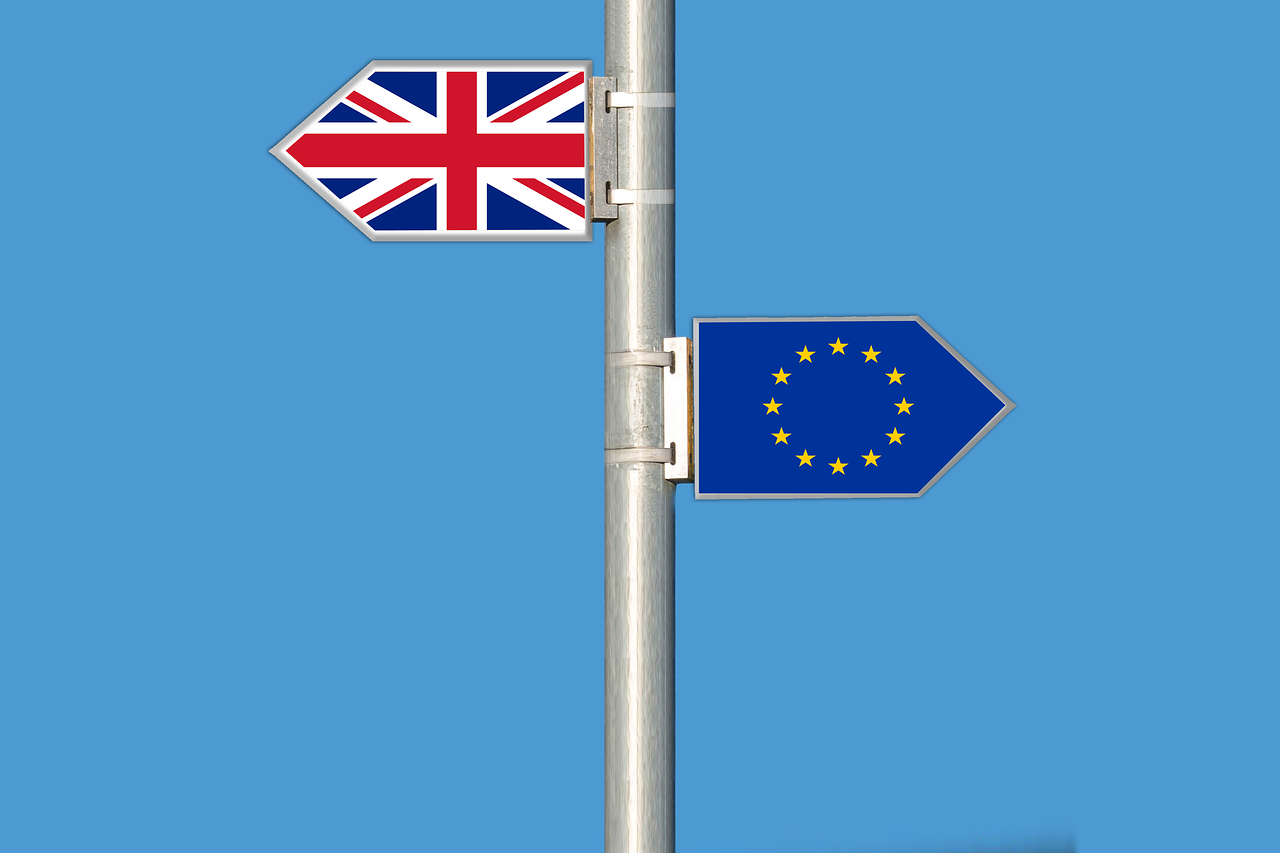

This updated guide replaces the old pre-Brexit predictions with practical travel information for today. Rules can change, so always check official guidance before booking or travelling.
The Brexit impact on the travel industry is now less about cancelled flights and more about new travel rules, border checks, documentation, staffing, costs, and planning friction. UK travellers can still visit most EU and Schengen destinations for short holidays without a visa, but they must follow the 90-days-in-180-days rule, passport rules, Entry/Exit System checks, and, when launched, ETIAS authorisation.
- Brexit did not stop UK-EU tourism, but it made travel less automatic than it was before.
- UK passport holders are treated as non-EU travellers when entering the Schengen area for short stays.
- The Schengen short-stay limit is normally 90 days in any rolling 180-day period.
- The EU Entry/Exit System means many UK travellers need biometric registration at Schengen borders.
- ETIAS is expected to add a paid online travel authorisation step for visa-free travellers.
- Travel businesses have had to adapt to new paperwork, staffing rules, border processes and customer questions.
Brexit Impact on Travel Industry: What Changed?
Before Brexit, UK travellers moved around the EU with fewer checks, fewer questions and a stronger sense that European travel was almost domestic. After Brexit, the UK became a “third country” for many EU travel rules. That does not mean holidays to Spain, France, Italy, Greece or the Netherlands suddenly became impossible. It means travellers and travel companies now have more details to manage.
The biggest change is the shift from free movement to short-stay visitor rules. For simple holidays, weekends away and many ordinary leisure trips, travel is still straightforward. But longer stays, repeated trips, remote work, study, professional activity and living abroad can involve different rules depending on the country.
For the travel industry, the practical impact is broader. Airlines, airports, ferry companies, tour operators, travel agents and accommodation providers have had to explain new rules, update booking journeys, train staff, adjust customer communications, and prepare for border processes such as the EU Entry/Exit System.
Rules UK Travellers Should Check Before Visiting Europe
The main mistake is assuming that a European holiday now works exactly as it did before Brexit. Most trips are still easy, but small details can cause airport stress if you ignore them.
| Travel area | What changed after Brexit | What to do before travelling |
|---|---|---|
| Short Schengen trips | UK passport holders are normally limited to 90 days in any rolling 180-day period. | Count previous Schengen days before booking longer or repeat trips. |
| Border checks | The EU Entry/Exit System records many non-EU travellers digitally. | Allow extra time at airports, Eurostar, Dover and other border points. |
| ETIAS | A new online authorisation system is expected for visa-free travellers. | Do not pay copycat sites; wait for the official EU application route. |
| Healthcare | EHIC/GHIC access is not the same as full travel insurance. | Carry a valid GHIC or EHIC if eligible and buy proper travel insurance. |
| Driving | Short visits are usually simpler than living abroad with a UK licence. | Check licence, insurance, vehicle documents and country-specific rules. |
| Roaming | Free EU roaming is no longer guaranteed by the same UK-EU rule. | Check your mobile provider’s charges and roaming fair-use limits. |
1. The 90 Days in 180 Days Rule
For most short trips to the Schengen area, UK travellers do not need a visa if they are staying for 90 days or less in a 180-day period and travelling for tourism or certain other permitted reasons. This is a rolling limit, so it is not reset simply because the calendar year changes.
This matters for frequent travellers, digital nomads, second-home owners, touring musicians, contractors, retirees and anyone who likes long European stays. A two-week holiday is unlikely to be an issue, but repeated trips can add up quickly.
2. EES: The EU Entry/Exit System
The EU Entry/Exit System, often shortened to EES, is a digital border system for many non-EU travellers entering and leaving Schengen countries. It can involve registering biometric details such as fingerprints and a photo. This does not mean you need to apply before every trip, but it can mean extra processing time at the border.
For UK travellers using Eurostar from London St Pancras, Eurotunnel LeShuttle at Folkestone or the Port of Dover, some checks may happen before leaving the UK. For many airport and ferry journeys, checks are handled at the destination border.
3. ETIAS: The Next Big Travel Step
ETIAS is expected to become the EU’s travel authorisation system for visa-free travellers. It is not the same as a visa, but when launched it will add another pre-travel step for many UK passport holders visiting Schengen destinations. GOV.UK warns travellers not to pay websites selling ETIAS before the official system is available.
How Brexit Changed the Travel Industry
Brexit affected different parts of the travel industry in different ways. The dramatic fears from 2019, such as mass flight disruption between the UK and EU, did not become everyday reality for travellers. Flights still operate, tour operators still sell European holidays, and millions of people still travel between the UK and Europe.
However, the industry has absorbed new complexity. Customer-service teams now answer questions about Schengen days, passport validity, EES checks, GHIC cards, visas, work travel, driving rules and pet travel. Booking platforms need clearer guidance, and travel agents need to know when a simple holiday becomes a more complex trip.
Airlines
Airlines have had to manage new regulatory boundaries, passenger-rights frameworks, staffing issues and customer communication around entry rules.
Airports and ports
Border infrastructure, EES kiosks, queue planning and passenger guidance became more important after Brexit.
Tour operators
Package-holiday sellers need to explain passport, insurance, health and entry requirements more clearly.
Travellers
Holidaymakers now need to check rules earlier instead of assuming EU travel is friction-free.
More Admin, More Questions, More Need for Clarity
The biggest commercial impact is often not one single rule, but the combined effect of many small checks. A traveller may need to confirm passport dates, count Schengen days, check roaming, apply for travel insurance, understand GHIC limits, and later complete ETIAS. Each step creates a customer-service question and another chance for confusion.
For SEO and travel content, this also means old Brexit articles must be updated. A page written before the UK left the EU is likely to contain predictions that are no longer useful. Today’s readers need practical, current guidance that helps them travel with confidence.
Flights, Delays and Passenger Rights After Brexit
Brexit did not erase air passenger rights for UK travellers, but the legal framework has changed. UK flight rights are now commonly referred to as UK261, while EU261 continues to apply in EU contexts. In simple terms, travellers may still have rights to care, rerouting, refunds or compensation when flights are cancelled, delayed, downgraded or overbooked, but which system applies depends on the route, airline and departure country.
For travellers, the practical advice is simple: if a flight is delayed or cancelled, keep booking confirmations, boarding passes, airline emails, receipts and screenshots. Ask the airline for written reasons. Then check whether your claim falls under UK or EU rules.
Business Travel, Work Trips and Longer Stays
Business travel is where Brexit can become more complicated. A normal meeting, conference or short business visit may be allowed without a visa in many cases, but paid work, services, selling goods, training, touring, filming or long stays can trigger country-specific rules.
This matters for consultants, performers, trade-show teams, photographers, contractors, remote workers and small business owners. The safest approach is to check the official entry requirements for the country you are visiting before you promise a client, book a job or accept paid work abroad.
Brexit Travel Checklist Before Booking
- Your passport validity and the entry rules for the country you are visiting.
- Your Schengen day count if you travel often or plan a long stay.
- Whether EES checks may add time at your airport, station, ferry port or border crossing.
- Whether ETIAS has launched and whether you need official authorisation.
- Your travel insurance, including medical cover and cancellation protection.
- Your GHIC or EHIC status if you are eligible for one.
- Your mobile roaming charges before using data abroad.
- Your driving licence, vehicle insurance and local road rules if hiring or driving a car.
- Any rules for pets, food, plants, goods, equipment or professional tools.
Final Thoughts: Is Brexit Still Affecting Travel?
Yes, Brexit still affects travel, but not always in the dramatic way people expected before it happened. The biggest difference is that UK-EU travel now requires more awareness. For a normal short break, the process is usually manageable. For frequent travel, long stays, business trips, driving abroad, healthcare, pet travel and border timing, the details matter much more.
The travel industry has adapted, but travellers should not rely on old assumptions. Before you book, check the latest official guidance, read your airline’s emails, and make sure your trip fits the current rules. A few minutes of planning can prevent a missed flight, a border delay or an expensive mistake.
FAQ About Brexit and Travel
Do UK citizens need a visa for EU holidays after Brexit?
For many short tourist trips to the EU and Schengen area, UK passport holders do not need a visa if they stay within the allowed short-stay limit. Longer stays, work, study or other activities may need a visa or permit depending on the country.
What is the 90 in 180 days rule?
It means your total time in the Schengen area should normally be no more than 90 days in any rolling 180-day period. The limit covers the Schengen area as a whole, not each country separately.
Has Brexit stopped UK-EU flights?
No. Flights between the UK and Europe continue, but airlines and airports operate under a different post-Brexit legal and regulatory environment.
Do I still have flight compensation rights after Brexit?
Often yes, but the exact rules depend on whether UK261, EU261 or another framework applies. Keep all travel documents and check guidance from the airline, CAA or the relevant EU authority.
Is a GHIC enough for travelling in Europe?
No. A GHIC or eligible EHIC can help with necessary state healthcare in some countries, but it is not a substitute for travel insurance and does not cover every cost.
Will ETIAS apply to UK travellers?
ETIAS is expected to apply to many visa-free travellers, including UK passport holders, when it becomes operational. Use only the official EU application route once it launches.
Sources and Further Reading
- GOV.UK: Travelling to the EU and Schengen area
- GOV.UK: EU Entry/Exit System guidance
- European Commission: Entry/Exit System
- UK Civil Aviation Authority: flight delays and passenger rights
- GOV.UK: Driving in the EU
- NHS: Applying for a UK GHIC
- ChipJourney: Best Long-Haul Flights In The World
- ChipJourney: Best Travel Hacks For International Flights
- ChipJourney: What Are The Best Airport Hacks?
Written By Boyan Minchev