Key Takeaways
- Some of the best whale watching places in the world include Vancouver Island, Iceland, the Azores, Hermanus, Baja California, Monterey Bay, Tonga, Kaikōura, Maui and Sri Lanka.
- The best destination depends on the whale species you want to see. Humpbacks, blue whales, grey whales, orcas, sperm whales and southern right whales all have different migration patterns.
- Timing matters. A destination can be excellent in one season and disappointing in another, so always check the local whale watching calendar before booking.
- Responsible operators matter more than cheap tickets. Choose tours that follow local marine wildlife rules, keep safe distances and avoid chasing or crowding animals.
- Land-based whale watching can be brilliant too. Places such as Hermanus in South Africa and parts of California can offer memorable sightings without stepping on a boat.
Wondering where to go whale watching? This updated guide rounds up some of the best places to go whale watching in the world, with practical advice on where to travel, when to go, what whales you may see, and how to choose an ethical tour operator. The original article was a short introduction, so this rebuilt version gives readers a much more useful travel guide while keeping the existing ChipJourney page structure and travel booking link.
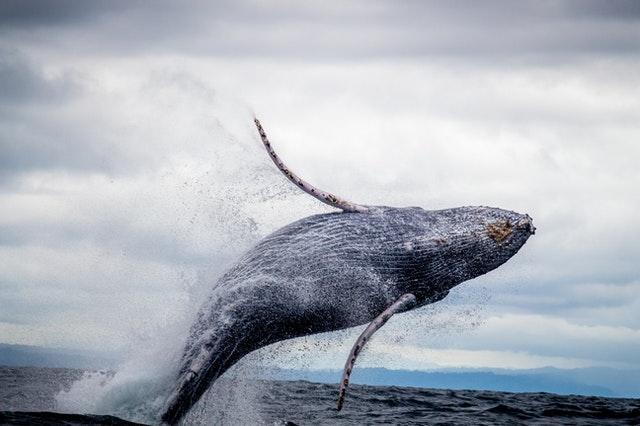
Whale watching is one of those travel experiences that can stay with you for life. Seeing a humpback breach, an orca surface, a blue whale glide through open water, or a mother and calf moving quietly through a bay is very different from seeing wildlife on a screen. At the same time, whales are wild animals, so sightings are never guaranteed. The smartest approach is to choose the right destination, travel in the right season, and book with a responsible operator that respects the animals.
Quick Answer: Where Is The Best Place To Go Whale Watching?
The best overall whale watching destination depends on your travel style. Vancouver Island is excellent for orcas and humpbacks, Iceland is great for summer whale watching in the North Atlantic, Hermanus is famous for land-based southern right whale viewing, the Azores are superb for deep Atlantic whale and dolphin encounters, and Tonga is one of the most special places for humpback whale experiences.
If this is your first whale watching trip, choose a destination with a strong season, a good safety record, licensed operators and flexible travel plans. Weather and sea conditions can change quickly, so leaving an extra day in your itinerary gives you a better chance if a tour is delayed.
Affiliate note: ChipJourney may earn a small commission if you book through this activity link, at no extra cost to you.
Best Places To Go Whale Watching In The World
There are many amazing whale watching destinations, but the best ones usually have three things in common: reliable seasonal whale activity, good viewing infrastructure, and clear wildlife protection rules. Below are some of the most exciting places to consider for your next trip.
1. Vancouver Island, British Columbia
Vancouver Island is one of the classic whale watching destinations in North America. Tours often run from Victoria, Tofino, Campbell River and other coastal towns, with chances to see orcas, humpback whales, grey whales, sea lions, seals and seabirds.
Best for: orcas, humpbacks, wildlife cruises and dramatic Pacific scenery.
2. Húsavík And Reykjavík, Iceland
Iceland is a brilliant choice if you want whale watching to be part of a wider nature trip. Húsavík is often promoted as one of Iceland’s whale watching centres, while Reykjavík offers easier access for travellers with limited time.
Best for: humpback whales, minke whales, North Atlantic scenery and summer wildlife trips.
3. The Azores
The Azores sit far out in the Atlantic, making them a superb base for marine wildlife. The islands are known for whale and dolphin watching, with sperm whales present and several migratory species passing through at different times of the year.
Best for: sperm whales, dolphins, blue whale migration windows and island-based nature travel.
4. Hermanus, South Africa
Hermanus is famous because you can sometimes watch whales from land. The cliff paths and coastal viewpoints make it one of the easiest places to enjoy whale watching without needing a boat, especially during southern right whale season.
Best for: land-based whale watching, southern right whales and combining wildlife with a Cape Town area trip.
5. Baja California, Mexico
Baja California is one of the most memorable places to see grey whales, especially in the lagoons where they migrate to breed and give birth. It can be an emotional wildlife experience because the setting feels remote, natural and deeply connected to whale migration.
Best for: grey whales, winter wildlife travel and unique lagoon-based encounters.
6. Monterey Bay, California
Monterey Bay is one of the most accessible whale watching destinations on the US west coast. Depending on the season, visitors may see humpback whales, grey whales, blue whales, dolphins and other marine life.
Best for: easy boat tours, California road trips and varied marine wildlife.
7. Vavaʻu, Tonga
Tonga is one of the world’s special humpback whale destinations. Southern humpbacks migrate to Tonga’s warmer waters to breed and give birth, making it a powerful place for travellers who want a more adventurous whale-focused trip.
Best for: humpback whales, South Pacific travel and specialist licensed operators.
8. Kaikōura, New Zealand
Kaikōura is a famous New Zealand whale watching location because deep underwater canyons lie close to shore. That creates rich feeding conditions and gives visitors a chance to see sperm whales as well as dolphins, seals and seabirds.
Best for: sperm whales, dramatic mountain-and-sea scenery and New Zealand road trips.
9. Maui, Hawaii
Maui is a beautiful winter whale watching destination, especially when humpback whales migrate to Hawaiian waters. The warm climate, clear water and island scenery make it a strong choice for travellers who want whale watching mixed with beaches and relaxation.
Best for: humpbacks, winter sun, island holidays and family-friendly boat trips.
10. Mirissa, Sri Lanka
Mirissa is often associated with blue whale watching, although responsible tour choice is especially important here. The experience can be incredible, but travellers should look carefully for operators that follow safe distance and low-impact viewing practices.
Best for: blue whales, Indian Ocean travel and combining beaches with wildlife.
Best Time To Go Whale Watching
The best time for whale watching changes by destination and species. Some places have year-round whale activity, while others are strongest during a short migration season. Use the guide below as a planning starting point, then confirm current local conditions before you book.
May To September
Good for: Iceland, parts of Canada, Alaska-style northern routes, the Azores and many North Atlantic destinations. Summer often brings calmer conditions and more tour availability.
June To November
Good for: Hermanus and the South African Cape Whale Coast, where southern right whales are the main attraction during the season.
December To April
Good for: Maui and parts of Mexico’s Baja California, especially for winter humpback or grey whale experiences.
July To October
Good for: Tonga humpback whale season and many specialist South Pacific whale trips. Book early because good operators can fill quickly.
How To Choose A Responsible Whale Watching Tour
Whale watching should feel exciting, but it should also protect the animals. A good operator will not promise reckless close encounters, chase whales, crowd them with other boats or pressure the animals to perform. Responsible whale watching is about observing wild behaviour, not forcing a show.
Check Licensing
Choose operators that are licensed, insured and transparent about local marine wildlife rules. This is especially important in destinations where swimming with whales is regulated.
Look For Naturalists
Guides with marine biology or naturalist knowledge can make the trip more educational and help guests understand whale behaviour.
Avoid Aggressive Guarantees
Sighting guarantees are not always bad, but be cautious if an operator sounds more focused on getting close than protecting wildlife.
Respect Distance
The boat should slow down, keep appropriate distance and let whales choose whether to move closer or away.
Important Whale Watching Tip
Whales are not attractions; they are wild marine mammals. The best tours are often the ones that feel calm, respectful and educational. If a whale dives, changes direction or shows signs of disturbance, a responsible crew should give it space.
What To Pack For A Whale Watching Trip
Whale watching can be colder, windier and wetter than people expect, even in sunny destinations. You may spend hours on the water, so a small amount of preparation can make the day much more comfortable.
- Warm layers: sea wind can feel cold even when the town feels warm.
- Waterproof jacket: useful for spray, rain and windy conditions.
- Binoculars: helpful for land-based whale watching and distant sightings.
- Camera or phone strap: boats move, so protect your equipment.
- Motion sickness tablets or bands: consider these before departure if you get seasick.
- Reusable water bottle: longer tours can be tiring, especially in sun or wind.
- Sunglasses and reef-safe sunscreen: glare from the water can be strong.
Planning Tips For A Better Whale Watching Holiday
Try not to leave whale watching until the final day of your trip. Boats may be delayed or cancelled because of weather, sea conditions or safety concerns. If whale watching is a major reason for your journey, give yourself at least two possible days in the destination.
It is also worth thinking about the rest of the trip. If you are travelling with children or anyone nervous about boats, a destination with land-based viewing or shorter sheltered tours may be better. If you are a photographer, you may prefer smaller boats, early departures and destinations with a strong chance of surface activity. If you simply want a relaxed holiday with a chance of whales, choose a place where the beaches, food and scenery are enjoyable even if the whales do not appear.
FAQ About Whale Watching
What is the best country for whale watching?
There is no single best country for every traveller. Canada, Iceland, Portugal’s Azores, South Africa, Mexico, New Zealand, Tonga and the United States all offer excellent whale watching, but the best choice depends on the season and the whale species you want to see.
Is whale watching worth it?
Yes, whale watching can be worth it if you choose the right destination, season and operator. It is not a zoo-style guarantee, so the experience is best when you enjoy the ocean, scenery and other wildlife too.
What time of day is best for whale watching?
Many tours operate successfully throughout the day. Morning trips can sometimes have calmer seas, but the best time depends on local weather, tides, operator schedules and whale activity.
Can you go whale watching without a boat?
Yes. Some destinations offer excellent land-based whale watching. Hermanus in South Africa, parts of California, sections of Vancouver Island and some coastal viewpoints in Australia and New Zealand can be good examples depending on the season.
What should I wear for whale watching?
Wear layers, comfortable shoes and a windproof or waterproof jacket. Even sunny whale watching trips can feel cold once the boat is moving.
Are whale watching tours safe?
Reputable whale watching tours are generally safe when run by licensed operators with proper vessels, trained crews and weather-aware planning. Always follow crew instructions and check safety reviews before booking.
Final Thoughts
The best places to go whale watching in the world are not only about seeing the biggest animal or booking the most dramatic tour. The best experience is the one that gives you a real chance to see whales while respecting their space and protecting the ocean environment they depend on.
If you want classic North American whale watching, look at Vancouver Island, Monterey Bay or Baja California. If you want a beautiful nature trip in the North Atlantic, consider Iceland or the Azores. If land-based viewing appeals to you, Hermanus is hard to ignore. If you dream of humpbacks in warm South Pacific waters, Tonga may be the journey of a lifetime.
Sources And Further Reading
- International Whaling Commission: Responsible whale watching guidance
- NOAA Stellwagen Bank National Marine Sanctuary: Whale watching guidance
- Visit Azores: Whale watching
- Hermanus: Whale watching season and locations
- Tonga Tourism: Whale watching
- ChipJourney: Best Places To Go In October For Sun
- ChipJourney: Best Long-Haul Flights In The World
- ChipJourney: Where To Travel In November For Warm Weather?