Key Takeaways
- A prayer for family protection and calm at home can help your household pause, breathe, and turn fear into faithful action.
- Prayer is most helpful when paired with honest communication, wise boundaries, and practical safety steps.
- A calmer home often begins with a short daily rhythm rather than a long prayer said only during crisis.
- Spiritual protection should never replace emergency, medical, legal, financial, or professional help when it is needed.
- Children and anxious family members usually respond best to simple words, steady routines, and reassurance without false promises.
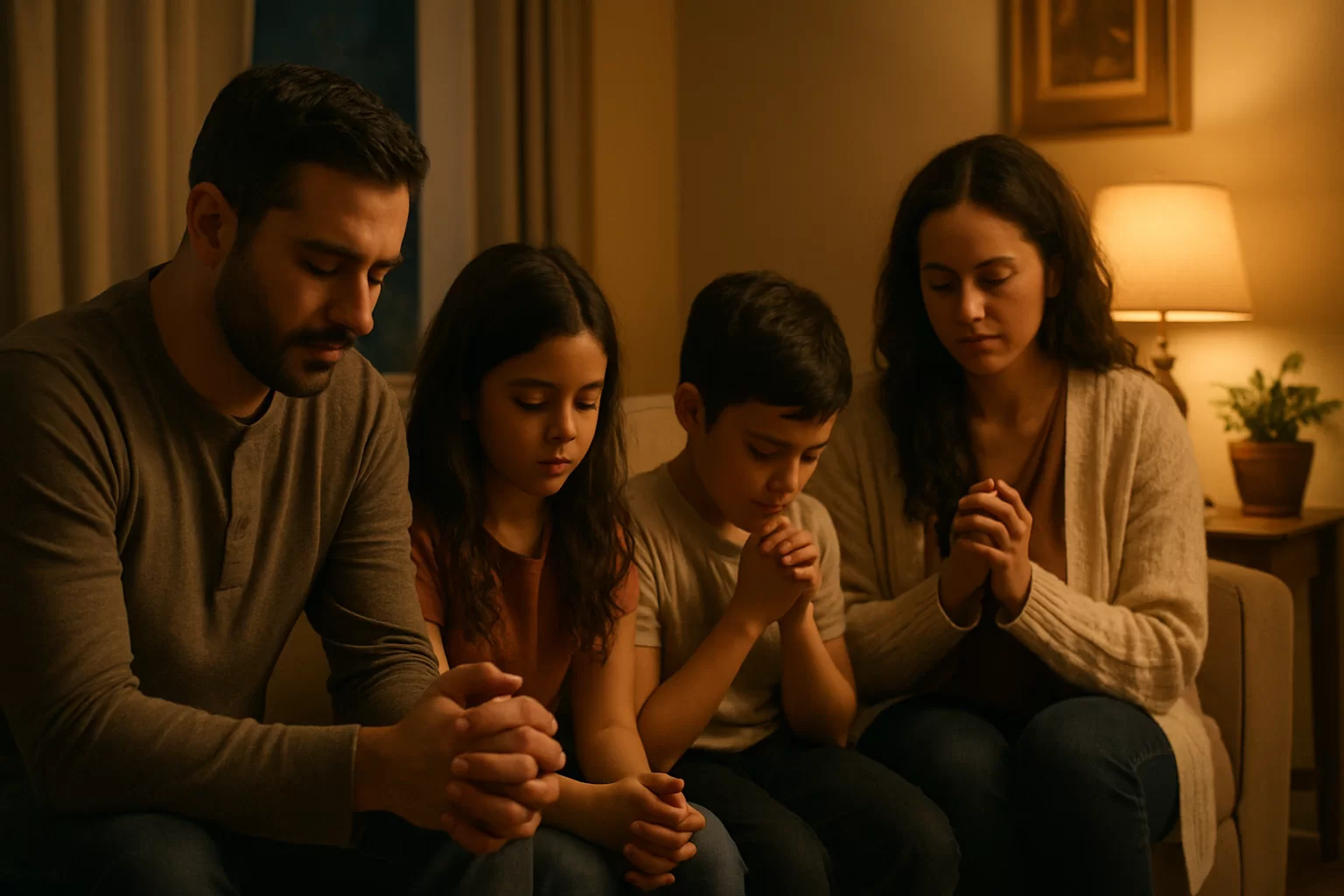
When the home feels tense, loud, unsafe, or emotionally heavy, many families instinctively reach for prayer. A prayer for family protection and calm at home is not just about asking God to remove fear; it is also a way to gather your thoughts, soften your words, and remember that love can still lead the room.
This guide includes a concise prayer, a practical calm plan, and gentle ways to build peace into ordinary family life. Use what fits your faith tradition, adjust the wording if needed, and seek qualified help whenever a situation involves danger, abuse, severe anxiety, or urgent needs.
Quick Answer
To pray for family protection and calm at home, gather your household if possible, name your fears honestly, ask God for safety, wisdom, peace, and loving speech, then take one practical next step. That step might be checking doors, lowering the volume, apologizing, calling a trusted person, or making a plan for help. Prayer can bring comfort and spiritual focus, but it does not guarantee outcomes or replace professional support. If anyone is in immediate danger, contact emergency services first, then pray as you are able.
Prayer Focus Builder
Choose your need, emotional state, prayer time, and next step to shape a more focused prayer moment.
Choose the options above, then build a recommendation you can use with the checklist, table, and sources in this guide.
In This Guide
A Prayer for Family Protection and Calm at Home
Use this prayer slowly. If your family is together, invite each person to sit comfortably, place both feet on the floor, and take one quiet breath before beginning. If you are praying alone, imagine each loved one held in God’s care without trying to control every outcome.
Prayer: Loving God, cover our family with Your protection tonight. Guard our home from harm, fear, confusion, and harsh words. Bring peace into every room and wisdom into every decision. Help us listen before we react, forgive where we have wounded one another, and speak with patience. Calm anxious hearts, strengthen tired minds, and guide us toward the right help when we need it. Let this home be a place of safety, mercy, honesty, and love. Amen.
Pray for safety
Ask for protection over doors, travel, sleep, health, and daily decisions. Then pair the prayer with basic checks such as locks, smoke alarms, medications, and emergency contacts.
Pray for calm speech
Request the grace to lower your tone, pause before answering, and avoid words that shame. Calm speech can change the emotional temperature of a home quickly.
Pray for wise action
Protection includes discernment. Ask God to show whether the next step is rest, apology, counseling, a boundary, a phone call, or urgent outside help.
Pray for each person
Name family members one by one. Keep requests simple: peace for the anxious, strength for the tired, courage for the honest, and tenderness for the angry.
Short prayers are often easier to repeat during stress. Try one sentence such as, “God, protect our family and make our home peaceful right now.” A simple line can steady your breathing while you decide what needs to happen next.
A Simple Family Calm Plan After You Pray
Prayer can open the door to peace, but families usually need a plan for the next ten minutes. When people are overwhelmed, the brain looks for safety before it can reason well. A calm plan gives everyone a shared script.
Use the table as a quick household tool. Keep the language short enough for children, teens, and tired adults to remember. If conflict is escalating or anyone feels unsafe, skip the table and contact appropriate help.
| Moment | Prayer cue | Action step | Best for | Check reminder |
|---|---|---|---|---|
| Morning | “Guide us.” | Bless the day | School, work | Plans, rides |
| After conflict | “Slow us.” | Pause talking | Arguments | Safe distance |
| Before sleep | “Guard us.” | Quiet rooms | Anxiety | Locks, lights |
| Bad news | “Hold us.” | Gather facts | Uncertainty | Trusted source |
| Child afraid | “Stay near.” | Reassure gently | Night fears | Comfort item |
| High stress | “Help us.” | Call support | Crisis | Emergency plan |
A helpful rule is “pray, pause, protect.” Pray first if you can, pause before reacting, and protect the most vulnerable person in the room. That may mean comforting a child, giving an overwhelmed adult space, or moving a conversation to a safer time.
Important: If there is violence, threats, self-harm risk, medical danger, or a child’s safety is at risk, treat it as urgent. Prayer can accompany action, but it should not delay emergency, medical, legal, or professional support.
How to Build a Peaceful Home Prayer Routine
A peaceful home is rarely created by one emotional moment. It grows from small rhythms that teach the family what to do with fear, anger, and uncertainty. Choose a routine that is realistic, not impressive.
For many families, the best routine is three minutes: one line of gratitude, one request for protection, and one kind action for the day. The goal is not perfect devotion; it is steady connection with God and one another.
The doorway blessing
Pause near the front door and ask God to guard everyone who enters and leaves. This works well before school, work, errands, or travel.
The dinner reset
Before eating, invite each person to name one good thing and one need. Keep it brief so it feels safe, not like a forced meeting.
The bedtime covering
At night, pray over sleep, dreams, and worries. Children often calm down when the same peaceful words are repeated consistently.
The repair prayer
After tension, pray for humility before discussing blame. A repair prayer can make apologies easier and reduce the urge to win.
Decision guidance matters here. If your family is spiritually open, pray together aloud. If some members feel pressured by group prayer, pray privately and lead with gentleness. If young children are involved, use concrete language: “God, help our home feel safe and kind.”
Current-check reminders also protect calm. Review emergency numbers, childcare pickups, medications, smoke detectors, online safety settings, and trusted neighbors every few months. These simple actions do not replace prayer; they make your prayerful concern practical.
Mistakes to Avoid When Praying for a Peaceful Home
Prayer should not become a way to avoid responsibility. If a household pattern is harmful, the most faithful next step may be counseling, a safety plan, medical care, financial advice, pastoral support, or legal protection. Peace is not the same as pretending nothing is wrong.
Another common mistake is using prayer to control others. Instead of praying, “Make them change,” try, “God, show me what love, truth, and wisdom require from me.” That shift keeps prayer humble and makes room for honest change.
- Do not spiritualize danger: fear may be a signal to seek real help.
- Do not shame anxiety: anxious people need compassion, not lectures.
- Do not force participation: reluctant family members may need time and trust.
- Do not ignore patterns: repeated conflict needs practical support, not only good intentions.
- Do not promise guarantees: prayer invites God’s help but does not let us control outcomes.
If your home is mostly safe but emotionally tense, begin with one repair. Apologize for one harsh sentence, lower one expectation, or create one quiet hour. If your home is unsafe, begin with protection: leave if necessary, call for help, and involve trusted professionals.
Summary and Final Thoughts
A prayer for family protection and calm at home can be a steady anchor when life feels uncertain. It helps families name their fears, ask for God’s care, and choose words and actions that protect peace rather than intensify stress.
Keep the prayer simple, repeat it often, and connect it to wise practical steps. A calm home is built through faith, safety, humility, boundaries, and love practiced in small moments.
FAQ
What is a short prayer for family protection?
God, please protect our family today. Guard our home, guide our choices, calm our fears, and help us speak with patience and love. Keep us alert to danger, open to wisdom, and ready to seek help when we need it. Amen.
How often should I pray for calm at home?
You can pray whenever your home feels tense, but a short daily rhythm is often more helpful than waiting for a crisis. Morning, dinner, or bedtime prayers create familiarity, especially for children, and make calm feel like part of family life.
Can prayer help with anxiety in the family?
Prayer can bring comfort, focus, and a sense of being held by God, which may ease anxious moments. Still, ongoing anxiety may need professional care, lifestyle support, or medical guidance. Faith and qualified help can work together wisely.
What if my family does not want to pray together?
Do not force it. You can pray quietly, model gentleness, and invite rather than pressure. A peaceful attitude often speaks louder than a long prayer. If others are open later, keep the prayer brief, respectful, and connected to real care.
Is a home protection prayer enough during conflict?
Prayer is a meaningful first step, but serious conflict may require boundaries, counseling, mediation, or emergency support. If there are threats, violence, self-harm concerns, or unsafe conditions, seek immediate help. Spiritual comfort should never delay necessary protection.
Sources and Further Reading
- St. Joseph Prayer for Family Protection 🙏 Safeguard Your Home
- Padre Pio Prayer for Family 🙏 A Shield of Protection and Love
- St. Michael Prayer for Family Protection 🙏 A Shield of Faith
- Morning Prayer for Family – Start Your Day with God
- Mental Health and Coping During Traumatic Events or Disasters
- Tips to Manage Anxiety and Stress
- Building a Resilient Household
- Coping with Stress