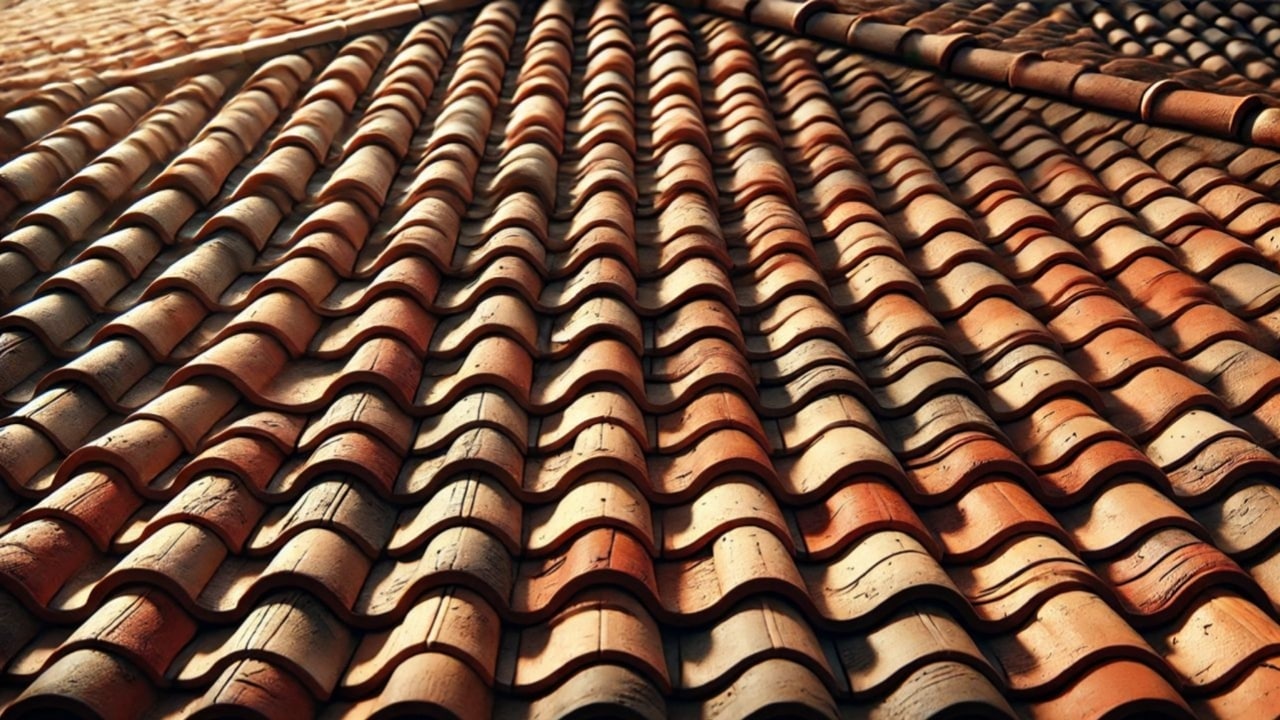
Key Takeaways
- Spanish roof tile style colors work best when they match the home’s architecture, climate, exterior walls and landscape.
- Terracotta red, rustic brown and burnt orange create a traditional Mediterranean look, while sandy beige, weathered grey and olive green feel more modern.
- The phrase Clavas Parsitie is used here as a design-inspired colour palette, not as a universal roofing manufacturer standard.
- Lighter roof finishes can help reflect more sunlight, while darker tiles often create stronger contrast and visual weight.
- Clay and concrete Spanish-style tiles can be heavy, so installation should be planned with a qualified roofing professional.
Quick Answer
The safest colour choice for a classic Spanish tile roof is a warm terracotta or clay red. For hot coastal or desert homes, sandy beige and lighter clay blends can look elegant while reflecting more sunlight. For modern homes, weathered grey, muted brown and soft olive can give the Spanish tile shape a cleaner, contemporary look.
Before ordering tiles, compare physical samples outside at different times of day. A colour that looks perfect on a screen can look much warmer, duller or brighter in full sunlight.
Spanish Roof Tile Colour Finder
Use this quick selector to narrow down a roof colour direction before comparing real samples with a roofer or supplier.
What Spanish Roof Tiles Are
Spanish roof tiles are usually recognised by their curved barrel or S-shaped profile. This shape creates the traditional wave-like roofline seen on Mediterranean, Spanish Colonial, Mission, Southwestern and Tuscan-inspired homes. The look is warm, textured and architectural, so colour choice matters as much as the tile profile.
Traditional appeal
Clay reds, weathered terracotta and rustic blends create the familiar sun-baked Spanish roof look.
Practical planning
Tile roofs require correct underlayment, flashing, fastening and structural support, especially in wind, snow or seismic areas.
Colour variation
Natural clay, pigments, glazes and weathering can create subtle shade differences across the roof.
Long-term design
A roof colour is a long-lasting decision, so choose a palette that still fits your exterior after future repainting or landscaping changes.
What the Clavas Parsitie Colour Palette Means
In this article, Clavas Parsitie is best understood as a descriptive Spanish-tile colour palette: warm clay, sandy neutrals, rustic browns, modern greys, sunset oranges and natural greens. It should not be treated as a single official roofing colour name. When speaking to a supplier, use clear colour descriptions, product names, manufacturer samples and finish codes.
Spanish Roof Tile Colour Guide
The right colour depends on more than personal taste. It should work with the house shape, wall colour, trim, driveway, neighbouring homes, local climate and any homeowner association or conservation rules.
| Colour | Best for | Why it works | Watch out for |
|---|---|---|---|
| Terracotta red | Mediterranean, Spanish Colonial, Mission and Southwestern homes. | Warm, authentic and instantly recognisable as Spanish tile. | Can look too strong against very bright paint unless balanced with trim and landscaping. |
| Sandy beige | Coastal, desert, white stucco and minimalist homes. | Soft, calm and potentially more reflective than darker colours. | Can look flat if the exterior has no texture, shutters or landscape contrast. |
| Rustic brown | Stone, wood, countryside, cottage and earthy exteriors. | Grounded, natural and good for homes surrounded by trees or warm stone. | Can absorb more heat and may look heavy on small houses. |
| Weathered grey | Modern homes, cool stucco, black trim and urban settings. | Clean, contemporary and easier to pair with modern windows and doors. | Can lose the classic Spanish warmth if the rest of the design is too cold. |
| Sunset orange | Homes that need warmth, personality and standout curb appeal. | Vibrant, cheerful and very Mediterranean. | Use carefully; it can overpower subtle exterior colours. |
| Olive green | Garden homes, eco-inspired designs and earthy palettes. | Feels organic and blends well with trees, shrubs and natural landscapes. | May be harder to match if you repaint the home later. |
Tile Materials and Practical Differences
Spanish-style roof tiles can be made from several materials. The appearance may be similar from the street, but the weight, installation method, maintenance needs and cost can be very different.
| Material | Look and feel | Strengths | Planning notes |
|---|---|---|---|
| Clay tile | Traditional, warm, natural colour variation. | Classic Spanish look, strong colour depth and long-lasting appeal. | Can be heavy and brittle; professional installation matters. |
| Concrete tile | Can mimic clay, slate or modern profiles. | Durable, widely available and often offered in many colours. | Colour can weather over time; verify structural load requirements. |
| Metal Spanish-profile roofing | Curved tile look with a lighter roof system. | Lower weight and modern coating options. | Does not feel exactly like clay up close; quality of coating and installation is important. |
| Synthetic or composite tile | Designed to imitate clay or barrel tiles. | Can be lighter and impact-resistant depending on product. | Check fire rating, wind rating, warranty, local code approval and real-life samples. |
How to Match Roof Colour With Your Home
A Spanish roof tile colour should not be chosen alone. Look at the full exterior: walls, trim, gutters, windows, doors, stonework, paving and garden colours.
| Exterior colour | Good roof pairings | Design effect |
|---|---|---|
| White or cream stucco | Terracotta, clay red, sunset orange, rustic brown. | Classic Mediterranean contrast with warm curb appeal. |
| Sand, beige or tan walls | Terracotta, rustic brown, muted orange, weathered grey. | Soft natural warmth without looking too busy. |
| Stone exterior | Rustic brown, muted clay, olive, grey-brown blends. | Grounded, traditional and textured. |
| Modern white with black trim | Weathered grey, muted terracotta, charcoal-brown. | Spanish tile shape with a cleaner modern edge. |
| Green landscape-heavy home | Terracotta, olive, rustic brown, sandy beige. | Natural, warm and balanced with plants and trees. |
Colour Sample Tip
Ask for full tile samples, not only tiny colour chips. Place them outside near your wall colour and check them in morning sun, midday light and evening shade. Spanish tiles have texture, so light can change the colour dramatically.
Installation and Maintenance Notes
Spanish tile roofs are beautiful, but they are not a simple surface decoration. They are part of a complete roofing system that includes deck condition, underlayment, battens or fastening method, flashing, ventilation, drainage and local building-code requirements.
- Check roof structure first: clay and concrete tile can be significantly heavier than many other roofing options.
- Use experienced installers: Spanish-style tile has special flashing, alignment and fastening details.
- Plan water control: underlayment and flashing are critical because tiles shed water but the full roof system protects the home.
- Inspect regularly: look for cracked tiles, blocked valleys, damaged flashing, moss, algae and debris buildup.
- Avoid walking on tiles: hire a professional for inspection, cleaning and repair whenever possible.
Best maintenance habit
Schedule a roof inspection after major storms and at least periodically so small tile or flashing issues do not become leaks.
Best buying habit
Ask your supplier for written product specifications: weight, wind rating, fire rating, warranty, reflectance data and installation requirements.
FAQs About Spanish Roof Tile Style Colors
What are the most traditional Spanish roof tile colors?
Terracotta red, burnt orange, rustic brown and clay blends are the most traditional Spanish roof tile colors. They work well with stucco, stone, cream walls, wood details and Mediterranean-style homes.
What does Clavas Parsitie mean in this article?
In this guide, Clavas Parsitie is treated as an editorial color palette name for Spanish roof tile inspiration. It is not presented as a universal manufacturer standard, so homeowners should always compare real product samples before choosing a roof.
Are light Spanish roof tiles better for hot climates?
Light roof colors can help reflect more sunlight than dark roof colors. In hot climates, lighter beige, sand, cream or cool-rated tile finishes may help reduce roof heat when combined with proper ventilation and insulation.
Are Spanish roof tiles heavy?
Clay and concrete Spanish-style roof tiles can be heavy compared with asphalt shingles. A roofer or structural professional should confirm that the roof framing can support the selected material.
How long can Spanish roof tiles last?
Clay and concrete tile roofs can last for decades when installed correctly and maintained properly, but lifespan depends on local climate, underlayment, roof structure, installation quality and maintenance.
Can I walk on Spanish roof tiles?
Avoid walking on Spanish roof tiles unless necessary because curved or brittle tiles can crack. Inspections, repairs and cleaning should usually be handled by a qualified roofing professional.
What color should I choose for a modern Spanish tile roof?
For a modern look, consider weathered grey, muted clay, sandy beige, charcoal-brown blends or soft olive tones. Pair them with simple stucco colors, clean trim and restrained landscaping.
Sources and Further Reading
Home improvement note: This guide is for design and planning inspiration. Roofing work affects waterproofing, structure, fire safety and local code compliance, so final material and colour choices should be confirmed with a qualified roofer, supplier or building professional.