Key Takeaways
- A mathematical formula horse racing system is not a magic trick; it is a structured way to compare your estimated chance with the odds being offered.
- The core idea is simple: convert the odds into implied probability, estimate the horse’s real chance, then only consider a bet when your estimate is higher than the market’s implied chance.
- Useful inputs include recent form, race class, distance, going, draw, pace, official ratings, trainer form, jockey form and field size.
- A good system also records losing bets. Without a long betting log, you cannot know whether the formula is working or just having a lucky run.
- No system guarantees profit. Keep stakes small, avoid chasing losses and use safer gambling tools when needed.
Quick Answer
My Mathematical Formula Horse Racing System is best understood as a value betting framework. It helps you rate a race, estimate a horse’s chance of winning, compare that chance with the odds, and decide whether the price looks fair, too short, or potentially valuable. The goal is not to predict every winner; the goal is to make more disciplined betting decisions over a large sample.
Horse Racing Value Betting Calculator
Use this cleaner calculator to check whether your estimated probability is higher than the implied probability in the odds. It is for learning and planning only, not a promise of profit.
Calculator note: This tool uses simple win-bet maths. It does not include bookmaker overround, each-way terms, dead heats, rule deductions, exchange commission, non-runner changes or account restrictions.
What This Horse Racing Formula System Means
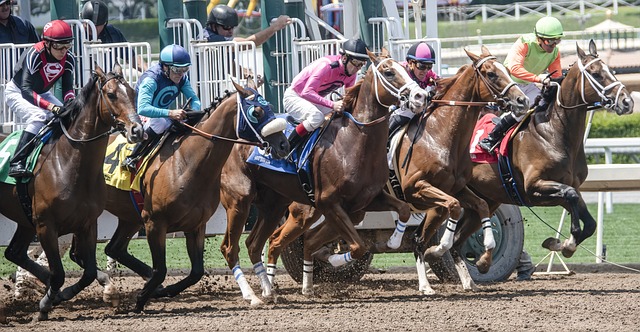
The old version of this topic focused too much on the idea of a secret profitable method. A stronger and more useful approach is to explain the actual decision process: rate the horse, price the chance, compare the odds, protect the bankroll and track the result.
Famous betting stories often mention mathematically minded bettors such as Bill Benter and Alan Woods, but readers should not take those stories as proof that every formula will work. The useful lesson is discipline: they treated betting like data analysis, not impulse entertainment.
Prediction
Your model estimates how likely a horse is to win based on race factors and past evidence.
Price
The bookmaker or exchange price shows the market’s implied view of the horse’s chance.
Value
A potential value bet appears when your realistic estimate is higher than the probability implied by the odds.
Risk control
Even good bets lose. Your bankroll rules decide whether one bad run destroys the whole system.
Formula Inputs to Rate a Race
A useful formula should be simple enough to repeat but detailed enough to avoid blind guessing. You can score each factor from 1 to 5, then compare the final rating with the available price.
| Formula input | Why it matters | What to check | Suggested weight |
|---|---|---|---|
| Recent form | Shows current competitiveness and consistency. | Last 3–6 runs, finishing position, beaten distance and race strength. | High |
| Race class | A horse dropping or rising in class may perform differently. | Class level, handicap mark and quality of opposition. | High |
| Distance | Some horses need sprint trips; others need stamina tests. | Best previous distances and whether today’s trip suits the running style. | High |
| Going / ground | Track condition can change speed, stamina and comfort. | Firm, good, soft or heavy ground performance. | Medium to high |
| Draw and pace | Position and expected race shape can affect chances. | Stall number, front runners, hold-up horses and track bias. | Medium |
| Trainer and jockey | Connections can influence preparation, tactics and confidence. | Recent strike rate, course record and jockey-horse history. | Medium |
| Market movement | Odds movement can reflect new information or crowd behaviour. | Opening price, current price and whether the move is logical. | Medium |
| Field size | More runners usually means more uncertainty. | Number of runners, non-runners and each-way place terms. | Medium |
Odds and Implied Probability Table
Odds are not just potential payout numbers. They also imply a probability. A formula horse racing system becomes more useful when you can quickly compare your estimated chance with the market’s implied chance.
| Fractional odds | Decimal odds | Implied probability | Simple meaning |
|---|---|---|---|
| 1/1 | 2.00 | 50.0% | The market suggests roughly a one-in-two chance. |
| 2/1 | 3.00 | 33.3% | The horse needs to win more than one in three for value. |
| 5/1 | 6.00 | 16.7% | Your model needs to estimate above 16.7% before it looks interesting. |
| 8/1 | 9.00 | 11.1% | Higher payout, but usually lower expected win rate. |
| 12/1 | 13.00 | 7.7% | One win can pay well, but losing runs can be long. |
| 20/1 | 21.00 | 4.8% | Very high variance; needs careful staking and realistic records. |
Formula: fractional odds implied probability = denominator ÷ (numerator + denominator). For 5/1, that is 1 ÷ 6 = 16.7%.
Example Formula for Finding Value
Imagine a horse is priced at 5/1. The implied probability is about 16.7%. After your form study, you estimate the horse has a 22% chance of winning.
Market chance
5/1 odds imply around 16.7%.
Your estimate
Your formula estimates 22%.
Value gap
22% - 16.7% = 5.3% possible edge.
That does not mean the horse will win today. It means the price may be better than your estimate of the true chance. Over a large number of similar bets, that is the kind of difference value bettors look for.
Bankroll and Risk Management
The biggest mistake with betting systems is treating a positive-looking formula like a guarantee. Horse racing has variance. Even a strong edge can lose several times in a row, especially at bigger odds.
| Risk rule | Better approach | Why it helps |
|---|---|---|
| Stake size | Use a fixed small percentage of bankroll, such as 0.5% to 2%. | Prevents one opinion from damaging the whole bankroll. |
| Loss chasing | Never increase stakes because the last bet lost. | Chasing turns a system into emotional gambling. |
| Record keeping | Track every bet, including skipped bets and reasons. | You need evidence before trusting the formula. |
| Sample size | Review performance over many bets, not one lucky weekend. | Small samples can be misleading. |
| Stop rules | Set daily, weekly and monthly limits before betting. | Limits protect decision quality when emotions rise. |
Safer gambling reminder: Betting should only be entertainment with money you can afford to lose. If betting stops feeling controlled, use deposit limits, time-outs, self-exclusion tools or professional support.
Step-by-Step Betting System
- Pick one race type first. Start with a narrow area, such as UK flat handicaps or a specific distance range, instead of trying to cover every race.
- Create a scoring sheet. Rate form, distance, going, class, draw, pace, trainer and jockey factors using the same scale each time.
- Estimate probability. Convert your score into a realistic win chance. Be conservative; overconfidence is the enemy of value betting.
- Compare against market odds. Use the calculator above to compare your estimated chance with implied probability.
- Apply a value buffer. Only consider bets where your estimate beats the implied probability by a clear margin.
- Stake consistently. Use small fixed stakes or a cautious bankroll percentage. Do not chase losses.
- Review the data. After 50, 100 and 250 bets, check ROI, strike rate, average odds, closing price movement and mistakes.
Simple Tracking Template
A formula is only useful if you can measure it. Use a simple table like this in a spreadsheet, notebook or betting tracker.
| Column | Example | Why it matters |
|---|---|---|
| Race | Newmarket 3:20 | Lets you audit the exact event. |
| Selection | Horse name | Shows which runner your system picked. |
| Odds taken | 5/1 | Needed for implied probability and profit/loss. |
| Your probability | 22% | Shows whether you had a clear value reason. |
| Stake | £10 | Keeps bankroll analysis accurate. |
| Result | Won / Lost / Placed | Final outcome. |
| Profit/loss | +£50 or -£10 | Measures long-term results. |
| Review note | Ground changed; pace wrong | Helps improve the formula over time. |
Common Mistakes to Avoid
Calling every winner “value”
A winner is not automatically a good bet. A bad price can still win, and a good price can still lose.
Changing the formula after every loss
Systems need enough data. Constant changes make it impossible to know what actually works.
Ignoring bookmaker margin
Odds include a margin. Your estimate needs enough edge to overcome that built-in disadvantage.
Betting too many races
More bets do not mean more profit. Selectivity is often more important than activity.
FAQs About Mathematical Horse Racing Systems
What is a mathematical formula horse racing system?
It is a structured betting method that rates race factors, converts odds into implied probability and compares the market price with your estimated chance of a horse winning.
Can a horse racing formula guarantee profit?
No. Racing results are uncertain, bookmaker margins exist and even a good value estimate can lose in the short term. Treat every system as risky and test it carefully.
What is value betting in horse racing?
Value betting means looking for odds that appear higher than the true chance of the outcome. If your realistic estimate is stronger than the implied probability in the odds, the bet may have value.
What data should I include in a horse racing formula?
Useful inputs include recent form, race class, distance, going, draw, pace, official ratings, trainer and jockey records, market odds, field size and your own betting record.
How do I calculate implied probability from fractional odds?
For fractional odds such as 5/1, divide the denominator by the numerator plus denominator: 1 divided by 6 equals about 16.7% implied probability.
How much should I stake on a horse racing system?
Keep stakes small, use money you can afford to lose, avoid chasing losses and consider a fixed percentage of bankroll rather than emotional stake changes.
Sources and Further Reading
- Great British Racing: Understanding the Odds
- British Horseracing Authority: Performance Figures
- The Jockey Club: What Is a Racecard?
- Gambling Commission: Safer Gambling
- How To Use AI To Make Money Online
- What Is the Best Way to Earn Money Doing Email Marketing as a Beginner?
- 10 Social Media Marketing Tips for Beginners
- 5 Cheap Cities to Visit
Affiliate and gambling disclosure: This article may contain affiliate links, including links to betting-related resources. If you click and make a purchase, ChipJourney may earn a small commission at no extra cost to you. This guide is educational only and does not provide financial advice, betting advice or a guarantee of profit. Gambling involves risk. Only bet with money you can afford to lose, and seek support if gambling stops feeling controlled.