Key Takeaways
- A “fat-burning furnace” is a metaphor for healthy energy use, not a magic metabolism switch.
- Strength training, daily movement, protein-rich meals, fibre, sleep and hydration can support weight management.
- No supplement, tea, workout, or diet quiz can guarantee fat loss for every person.
- CDC guidance says adults need at least 150 minutes of moderate activity each week plus 2 days of muscle-strengthening activity.
- Speak with a healthcare professional before major weight-loss changes if you have medical conditions, medication use, pregnancy, pain, or disordered-eating history.
Quick Answer: How Do You Build a Fat-Burning Furnace?
You build a healthier “fat-burning furnace” by improving the habits that support energy balance: movement, strength training, protein, fibre, hydration, sleep, stress management and consistency. Metabolism is influenced by body size, age, hormones, muscle mass, genetics, medications and health conditions, so the best approach is steady and realistic rather than extreme.
What a Fat-Burning Furnace Really Means
Metabolism is the collection of processes your body uses to convert food and stored energy into fuel. The phrase “fat-burning furnace” simply means you are trying to support those processes in a healthy way so your body can use energy more efficiently.

Important: Fat loss happens over time when your overall habits support an energy deficit and good health. You cannot spot-reduce belly fat or force your body to burn only fat from one area.
What Affects Your Metabolism
Your resting metabolic rate is shaped by several factors, some you can influence and some you cannot. This is why two people can follow similar plans and see different results.
Muscle mass
Muscle tissue uses more energy than fat tissue at rest, so strength training can support long-term metabolic health.
Body size and age
Larger bodies generally use more energy, while ageing can change muscle mass, activity level and energy needs.
Hormones and health
Thyroid disease, diabetes, sleep apnea, menopause, medications and stress can affect weight and energy.
Daily activity
Walking, standing, chores, workouts and fidgeting all add to total daily energy use.
Foods That Support Fat Loss
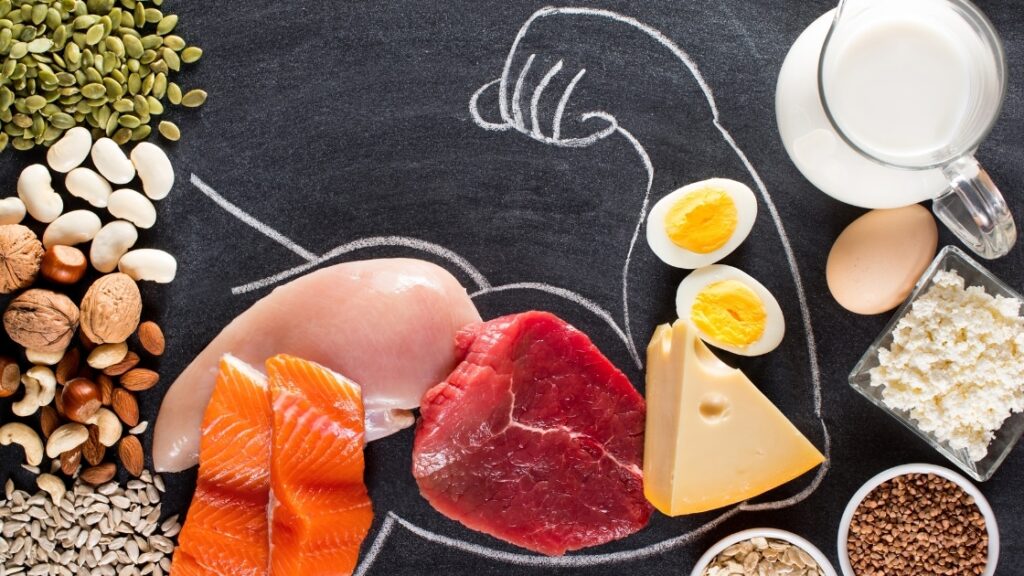
Food does not “melt” fat by itself, but the right eating pattern can help with fullness, energy, workout recovery and consistency.
| Food group | Why it helps | Examples |
|---|---|---|
| Protein-rich foods | Support fullness, muscle repair and the thermic effect of food. | Eggs, fish, chicken, Greek yoghurt, tofu, beans, lentils. |
| High-fibre foods | Help digestion and may support appetite control. | Vegetables, fruit, oats, legumes, whole grains. |
| Healthy fats | Support satisfaction and make meals feel complete. | Olive oil, avocado, nuts, seeds, oily fish. |
| Hydrating foods | Add volume and support daily hydration. | Soups, cucumbers, berries, melon, leafy greens. |
| Moderate caffeine | May temporarily increase alertness and energy use in some people. | Coffee or green tea if tolerated. |
Exercise That Supports Metabolic Health
Exercise helps your body use energy, maintain muscle, improve fitness and support long-term health. You do not need the hardest workout online; you need a safe routine you can repeat.
Strength training
Use weights, bands, machines or bodyweight moves to build and preserve muscle. Aim for safe progression.
Aerobic movement
Walking, cycling, swimming and jogging support heart health, calorie use and endurance.
HIIT if suitable
Short intense intervals can help fitness, but they are not required and may not suit beginners or people with injuries.
Daily non-exercise movement
Steps, chores, standing breaks and active errands matter more than most people realise.

Safety note: Stop exercise and seek medical advice if you feel chest pain, faintness, severe shortness of breath, unusual heart symptoms, sharp pain or symptoms that worry you.
Hydration and Appetite
Water supports digestion, temperature regulation, circulation and physical performance. Hydration is not a fat-loss shortcut, but it can make healthier routines easier by reducing fatigue, thirst-related snacking and workout discomfort.

| Habit | Simple way to apply it |
|---|---|
| Start with water | Drink a glass when you wake up and keep water visible during the day. |
| Pair water with meals | Use meals as reminders to hydrate without needing a strict rule. |
| Adjust for activity | You may need more fluids when sweating, exercising or in hot weather. |
| Watch caffeine and alcohol | Both can affect sleep, appetite and hydration habits for some people. |
Sleep, Hormones and Weight
Sleep affects appetite, energy, motivation, glucose regulation and recovery. Poor sleep can make it harder to prepare meals, exercise and manage cravings, so it belongs in any serious metabolism plan.

Keep a consistent wake time
A stable wake time can support a more predictable body clock.
Reduce late stimulation
Dim lights, reduce screens and avoid intense work right before bed where possible.
Limit late caffeine
Caffeine can affect sleep for hours, especially if you are sensitive.
Check sleep problems
Snoring, gasping, insomnia or daytime sleepiness may need medical support.
Consistency Beats Quick Fixes
The real secret is not a perfect plan. It is repeating good-enough habits long enough for them to matter. Your plan should be realistic for your schedule, budget, body and health history.
| Instead of | Try this |
|---|---|
| Extreme restriction | A balanced meal plan you can follow most days. |
| Random workouts | A simple weekly routine with walking and strength training. |
| Chasing quick fixes | Tracking sleep, meals, movement and progress over several weeks. |
| Ignoring health issues | Asking a professional about symptoms, medications or plateaus. |
Fat-Burning Furnace Habit Checker
Choose the habit that feels weakest right now.
Recommended Weight-Loss Resources
These optional resources preserve useful affiliate links from the original article. Treat them as extra tools or reviews, not medical advice or guaranteed weight-loss systems.
Metabolic Fire Resource
A weight-loss themed affiliate resource connected to the original “metabolic fire” anchor. Review the claims, refund policy and ingredients carefully before buying.
Anabolic Running
A fitness-focused resource from the original article. It may interest readers looking at running and body-composition goals, but training should match your current fitness level.
Tea Burn
A tea-related weight-loss product mentioned in the original article. Tea and caffeine products should be checked carefully for ingredients, tolerance and medical suitability.
Keto Diet Quiz
A diet-plan quiz resource from the original article. Keto-style plans are not right for everyone, especially with medical conditions or medication use.
Dead Sea Weight-Loss Resource
A weight-loss offer from the original article. Approach it with realistic expectations and compare it with official health guidance before spending money.
Eat Sleep Burn Review
A related ChipJourney review about sleep-focused weight management, bedtime routines and realistic expectations around losing weight while sleeping.
FAQs About Building a Fat-Burning Furnace
What does fat-burning furnace mean?
Fat-burning furnace is a popular phrase for a body that uses energy efficiently through healthy habits. It does not mean your metabolism can be forced into a permanent high-calorie-burning mode overnight.
Can I really boost my metabolism?
You can support metabolic health through regular physical activity, strength training, protein-rich meals, sleep, hydration and consistency. Genetics, age, body size, hormones, medicines and health conditions also affect metabolism.
What foods help support fat loss?
Protein-rich foods, high-fibre carbohydrates, vegetables, fruit, legumes, whole grains and unsaturated fats can support fullness and healthy habits. No single food burns fat by itself.
Is HIIT required for weight loss?
No. HIIT can be useful for some people, but walking, cycling, swimming, strength training and everyday movement can also help. Choose exercise that is safe and repeatable for your body.
How much exercise do adults need?
CDC guidance says adults need at least 150 minutes of moderate-intensity physical activity each week plus 2 days of muscle-strengthening activity. People with medical concerns should ask a professional what is safe for them.
When should I speak with a doctor before trying a weight-loss plan?
Speak with a healthcare professional if you have diabetes, heart disease, pregnancy, eating-disorder history, sleep apnea, major fatigue, unexplained weight changes, medication concerns or pain during exercise.
Sources and Further Reading
- NIDDK: Treatment for Overweight and Obesity
- CDC: Adult Physical Activity Guidelines
- NHLBI: Sleep Deprivation and Deficiency
- Mayo Clinic: Metabolism and Weight Loss
- Eat Sleep Burn Review
- How To Lose Weight While Working From Home
- 5 Brain Exercises To Improve Memory and Concentration
- 5 Easy-To-Pack Road Trip Snacks To Try
Affiliate and health disclosure: This article may contain affiliate links. If you click and make a purchase, ChipJourney may earn a small commission at no extra cost to you. This article is for informational purposes only and is not medical advice. Weight loss, exercise, supplements, diet changes and sleep concerns should be discussed with a qualified healthcare professional when you have health conditions, medication use, pregnancy, symptoms or concerns.