Key Takeaways
- The right island holiday depends less on the prettiest beach and more on how you like to spend your days.
- Match your island to your pace, budget, transport tolerance, weather risk, and comfort with crowds.
- Check ferry schedules, flight connections, seasonal closures, entry rules, and safety guidance before you book.
- Choose one strong base for short trips and island-hop only when you have enough time for weather delays.
- Responsible choices, such as reef-safe behavior and low-waste habits, can improve both your trip and the island you visit.
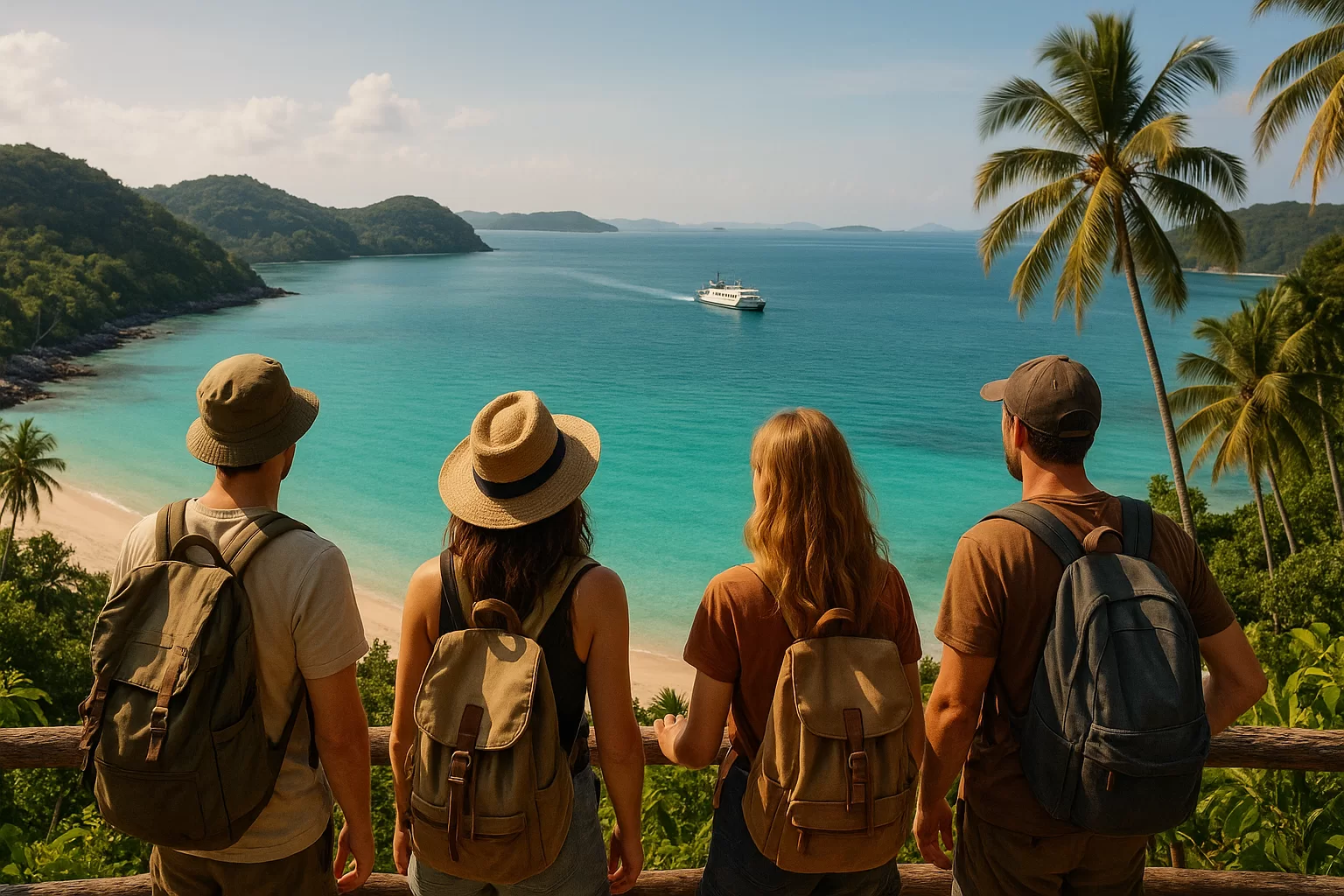
Choosing the right island holiday can feel surprisingly difficult because islands are often sold with the same promises: blue water, soft sand, sunset dinners, and escape. In real life, a party island, a hiking island, a remote eco-retreat, and a polished resort island create very different trips.
This guide helps you compare island holidays by travel style, not just scenery. Use it to decide where to go, when to travel, how much movement to plan, and which practical checks to make before paying for flights, ferries, or accommodation.
Quick Answer
The best island holiday is the one that fits your rhythm. Choose a resort island if you want comfort, easy meals, and minimal logistics. Pick a culture-rich island if you like local food, towns, and history. Choose an adventure island for hiking, diving, surfing, or wildlife. Go remote only if you are comfortable with limited services and weather disruption. For most travelers, the safest choice is an island with reliable transport, varied activities, flexible accommodation, and a season that matches your tolerance for heat, rain, wind, and crowds.
Trip Decision Builder
Choose your trip style, weather, bag size, and priority to get a useful packing and planning direction.
Choose the options above, then build a recommendation you can use with the checklist, table, and sources in this guide.
In This Guide
How to Choose the Right Island Holiday by Travel Style
Start with the question most travelers skip: what do you want a normal day to feel like? If your ideal day is breakfast by the water, a swim, a nap, and an easy dinner, you do not need the most adventurous island. If you get restless after one beach day, choose somewhere with trails, villages, markets, boat trips, or cultural sites.
Also be honest about your travel personality. Some people love scooters, ferries, changing hotels, and improvised plans. Others want one transfer, one room, and no decisions after arrival. Neither style is better; they simply point to different island choices.
Slow beach reset: Choose an island with calm swimming beaches, dependable accommodation, shaded cafes, and simple airport transfers. This style suits couples, burnout recovery, and travelers who want the holiday to feel easy from the first afternoon.
Culture and food: Look for working towns, public transport, local restaurants, markets, museums, or festivals. The best islands for this style are lived-in places, not only resort zones, so you can experience daily life respectfully.
Adventure and nature: Prioritize trails, reefs, surf breaks, marine parks, volcanic landscapes, kayaking, or wildlife guides. Check operator standards, seasonal conditions, and your insurance coverage before planning activities that depend on weather or specialist equipment.
Luxury escape: Pick an island where service, privacy, spa facilities, and dining quality matter more than sightseeing volume. Confirm transfer times, meal plans, cancellation terms, and whether the resort beach is swimmable during your travel month.
A useful shortcut is to choose your island by energy level. Low-energy travelers usually enjoy compact islands with beautiful beaches and few transport steps. Medium-energy travelers may prefer one base with day trips. High-energy travelers can handle island hopping, hikes, diving, and early starts.
Travel companions matter too. Families need safe swimming, short transfers, medical access, and flexible meals. Solo travelers may value walkable towns, social guesthouses, and reliable transport. Honeymooners often prefer privacy and fewer logistics, while groups need enough restaurants, room types, and evening options to keep everyone happy.
Use the Island Holiday Fit Tool
This simple tool helps you filter destinations before you fall in love with photos. Score each factor from 1 to 5, where 1 means not important and 5 means essential. Your highest scores reveal what your island must deliver, while low scores show where you can compromise.
Do the scoring twice: once for your dream trip and once for your real trip. The gap often reveals the better choice. You may dream of a remote island but, with only five days off, a well-connected island can feel more relaxing.
| Priority | Best Island Type | Watch For | Good Fit For | Current Check |
|---|---|---|---|---|
| Easy logistics | Airport island | Resort sprawl | Short breaks | Transfers |
| Low budget | Local hub | Peak rates | Backpackers | Ferry times |
| Romance | Quiet cove | Limited dining | Couples | Seasonal closures |
| Adventure | Rugged island | Weather delays | Active travelers | Guide availability |
| Family comfort | Calm bay | Long transfers | Parents | Medical access |
| Culture | Lived-in island | Crowded ports | Curious travelers | Local holidays |
After scoring, rank your top three non-negotiables. For example: calm water, direct flights, and a walkable town. Then eliminate any island that fails one of them. This prevents the classic mistake of booking an impressive destination that does not suit your actual needs.
Budget should be judged as a whole, not just by room rate. Add airport transfers, ferries, taxis, meals, luggage fees, activity costs, park fees, travel insurance, and the cost of a buffer night if connections are unreliable. Remote islands can be excellent value emotionally but expensive logistically.
Plan Timing, Weather, Safety, and Transport
Island timing is not only about sunshine. Wind direction can affect swimming beaches, ferries, diving visibility, seaweed, surf, and boat tours. Rainy seasons may still offer good trips, but you need flexible plans, refundable bookings where possible, and realistic expectations about outdoor activities.
Before booking, check official travel advice, local weather patterns, health requirements, ferry schedules, airport reliability, and recent visitor information. Do not rely only on social media posts because they may show a perfect week from a different season or ignore transport delays.
Peak season: Expect better services, more tours, and livelier towns, but also higher demand and less spontaneity. Book key rooms, ferries, rental cars, and restaurants early if you are traveling during school holidays or festival periods.
Shoulder season: Often the sweet spot for value and comfort. You may find pleasant weather, fewer crowds, and more flexible prices, but confirm that boat routes, beach clubs, tours, and smaller hotels are actually operating.
Rainy or storm season: Not always a deal-breaker, but it requires caution. Build in spare time, avoid tight same-day flight and ferry connections, and understand whether storms, rough seas, or flooding can affect your route.
Remote seasonality: Small islands can change dramatically by month. A place that feels lively in August may be very quiet later, with fewer restaurants, reduced ferries, and limited medical or repair services for travelers.
Transport is where many island holidays succeed or fail. A cheap flight that lands after the last ferry may force an extra hotel night. A beautiful island with one weekly boat can trap you if weather turns. If you are island hopping, keep your final night near the departure airport or main ferry port.
Safety planning should match the activity level. For swimming, ask locally about currents, reef cuts, jellyfish, boat traffic, and lifeguard coverage. For hiking, carry water, sun protection, offline maps, and a return plan. For scooters or rental cars, check licensing rules, insurance exclusions, road conditions, and whether night driving is sensible.
Avoid Common Island Holiday Mistakes
The most common mistake is choosing an island from a single image. A beach photo rarely shows the road behind it, the windy season, the cruise ship schedule, the nearest clinic, or whether restaurants close on certain days. Research the full experience, not just the view.
The second mistake is planning too much movement. Island hopping sounds romantic, but every transfer consumes time, money, and energy. On a one-week trip, two islands are usually enough unless they are very close and well connected. On a long weekend, one good base is almost always better.
- Booking the wrong side of the island: One coast may be calm while another is windy, rocky, or rough during your dates.
- Ignoring arrival times: Late flights can break ferry connections and add unexpected overnight costs.
- Underestimating heat: Midday hikes, exposed ruins, and scooter trips can become draining in tropical or Mediterranean summers.
- Assuming all beaches are swimmable: Some are better for views, surfing, shells, or sunsets than safe swimming.
- Skipping insurance details: Diving, scooters, boats, and remote medical transfers may need specific coverage.
- Forgetting cash access: Smaller islands may have limited ATMs, card outages, or seasonal banking hours.
Sustainable choices are practical, not just ethical. Bring a refillable bottle where safe, avoid touching coral or wildlife, choose responsible operators, reduce single-use plastics, and respect protected areas. Fragile islands have limited waste systems, limited fresh water, and ecosystems that can be damaged by careless tourism.
Finally, keep a current-check list for the week before departure. Reconfirm accommodation, transfers, weather, ferry status, entry documents, health guidance, local strikes or closures, and any tour meeting points. A few checks can prevent most island travel headaches.
Summary and Final Thoughts
The right island holiday is not the one with the most famous name; it is the one that fits your pace, comfort level, budget, season, and travel companions. Start with the day you want to have, then choose the destination that makes that day easy to repeat.
If you are unsure, pick a well-connected island with several beaches, a real town, flexible transport, and enough activities for both sunny and cloudy days. Save remote or complex island hopping for trips with more time, more budget, and more tolerance for disruption.
FAQ
How many days do I need for an island holiday?
For one island with easy flights, four to seven days can work well. If ferries, seaplanes, or island hopping are involved, allow at least a week. Add buffer time before your international flight because weather and sea conditions can delay island transport.
Is it better to stay on one island or island-hop?
Stay on one island if your trip is short, you want rest, or transfers are complicated. Island-hop when islands are close, transport is reliable, and you have enough days to enjoy each stop. Two or three nights per island is a sensible minimum.
What is the best island holiday for first-time travelers?
First-time island travelers usually do best with a well-connected island that has an airport, varied accommodation, safe swimming areas, restaurants, pharmacies, and simple day trips. This gives you the island feeling without making every meal, transfer, and activity dependent on complex logistics.
How do I choose an island holiday on a budget?
Look beyond hotel prices. Choose islands with public ferries, local buses, grocery stores, guesthouses, and casual restaurants. Travel outside peak season when services are still running. Avoid destinations where every transfer requires a private boat, seaplane, taxi, or resort meal plan.
What should I check before booking a remote island?
Confirm transport frequency, weather risk, medical access, cancellation terms, payment options, phone coverage, and how food or water is supplied. Remote islands can be magical, but they require flexibility. Avoid tight connections and make sure your insurance covers your planned activities.
Sources and Further Reading
- Safest Islands To Travel Alone: Your Solo Adventure Guide
- The Most Popular Islands In Greece
- Why People From UK Like To Spend Their Holidays In Spain?
- Best Beach Destinations For Solo Female Travelers: Top Choices
- U.S. State Department: Traveler’s Checklist
- National Park Service: Leave No Trace
- NOAA Marine Debris Program
- National Geographic Travel: How to Choose the Right Island Vacation