Key Takeaways
- Quiet islands are best chosen by rhythm, access, and season, not just by how remote they look on a map.
- Shoulder seasons often bring the best balance of calm weather, lower crowds, and more realistic transport options.
- A restful island trip still needs current checks for ferries, storms, medical access, closures, and local rules.
- Plan fewer activities than usual so silence, walking, swimming, reading, and journaling have room to matter.
- The most reflective trips respect resident communities, fragile shorelines, wildlife, and the limits of small-island infrastructure.
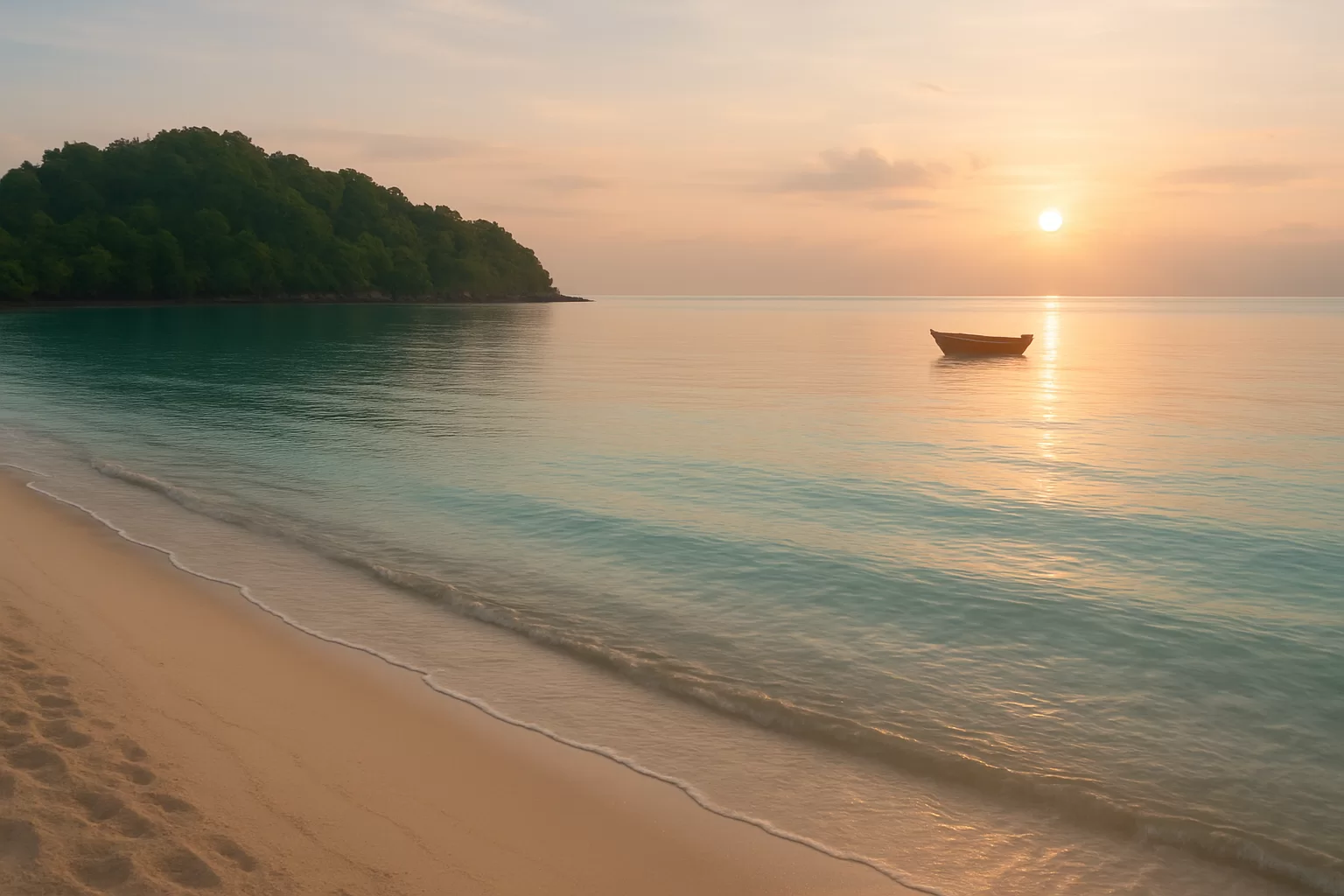
Quiet island travel is not about disappearing from life completely. It is about finding a place where the day moves slowly enough for your body to settle, your thoughts to become clearer, and your choices to feel less hurried.
This guide gathers practical, restorative quiet island travel ideas for people who want rest and reflection without ignoring real-world details like weather, ferry reliability, safety, budget, and seasonal closures.
Quick Answer
The best quiet island travel ideas are small, nature-centered places with simple transport, low nightlife, walkable scenery, and enough services to feel safe. Look for wildlife refuge islands, national park islands, car-light ferry communities, lake islands, and off-season coastal islands. Avoid choosing only by distance; a very remote island can be stressful if weather cancels ferries or medical care is far away. For rest and reflection, stay at least three nights, travel outside peak weekends, keep one open day, and check current ferry schedules, weather alerts, park access, and local visitor guidance before booking.
Trip Decision Builder
Choose your trip style, weather, bag size, and priority to get a useful packing and planning direction.
Choose the options above, then build a recommendation you can use with the checklist, table, and sources in this guide.
In This Guide
Quiet Island Travel Ideas for Rest and Reflection
The right island for rest is not always the most famous beach destination. Often it is a modest ferry island, a protected nature area, or a shoulder-season coastal community where mornings are quiet and evenings end early.
Use these ideas as travel styles rather than a fixed list. The same island can feel peaceful in May and crowded in August, or deeply restorative on weekdays and busy during a local festival.
Wildlife refuge islands
Choose these for birdwatching, salt marsh walks, and long periods without commercial noise. They suit travelers who enjoy early mornings, simple trails, and patient observation more than shopping or nightlife.
Car-light ferry islands
Small ferry communities can create a natural pause because arrival and departure depend on schedules. They work well when you want walking, cycling, quiet harbors, and a slower daily rhythm.
Off-season beach islands
A popular island can become restful outside peak holiday windows. Expect fewer open restaurants, cooler evenings, and more space, but always confirm lodging, ferry, and food options before you go.
Retreat-adjacent islands
Some islands are known for yoga, meditation, prayer, or creative retreats. Even without joining a program, you can build your own reflective routine around silence, walking, reading, and early nights.
| Island style | Best for | Calmest timing | Transport note | Watch-outs |
|---|---|---|---|---|
| Park island | Hiking, solitude | Weekdays, shoulder season | Permit or ferry | Closures, limited services |
| Ferry village | Slow wandering | Midweek stays | Book return early | Weather delays |
| Marine sanctuary | Snorkeling, wildlife | Calm sea months | Licensed operators | Reef rules, currents |
| Lake island | Reading, paddling | Late spring, early fall | Boat or bridge | Mosquitoes, storms |
| Northern island | Cliffs, long walks | Late spring | Ferries can be sparse | Wind, cold water |
| Tropical quiet cove | Swimming, journaling | Dry shoulder season | Local boat transfers | Monsoon shifts |
Current-check reminder: protected islands may limit visitor numbers, close trails for nesting wildlife, or require reservations. Confirm official guidance close to your travel date rather than relying on old reviews.
How to Choose a Quiet Island Without Feeling Isolated
True rest needs a balance of calm and confidence. If you feel stranded, hungry, unsafe, or worried about the last boat, the island may be quiet but not restorative.
Before booking, define your comfort level: do you want no cars, no crowds, no nightlife, no schedule, or simply no pressure? Each answer points to a different kind of island.
Choose your solitude level
Soft solitude means cafes, clinics, and ferries still exist. Deep solitude means fewer backups. First-time quiet-island travelers usually do better with soft solitude and longer pauses.
Map the noisy zones
Look beyond the island name. Ports, party beaches, cruise stops, and main roads can be loud, while a village two coves away may feel completely different.
Check the daily rhythm
Some islands wake with fishing boats, others with tour buses. Read recent lodging reviews for noise, early departures, restaurant hours, and how evenings actually feel.
Keep an exit plan
Rest is easier when you know the last ferry, nearest clinic, storm procedure, and backup night. Calm travel is not careless travel.
Decision guidance for different travelers
- Solo travelers: choose islands with reliable public transport, visible lodging staff, clear mobile coverage notes, and daytime arrival options.
- Couples: agree on how quiet is too quiet, especially if one person wants meditation and the other wants restaurants or excursions.
- Families: favor gentle beaches, short transfers, laundry access, shade, medical proximity, and flexible meal options.
- Creative travelers: book a room with a desk, natural light, and a walkable routine rather than chasing constant scenery.
- Spiritual travelers: check whether local sacred sites welcome visitors, require modest dress, or ask for silence and photography restraint.
A simple test: if your plan depends on one perfect ferry, one perfect weather window, or one open restaurant, add a backup. Reflection deepens when logistics are stable.
Planning Details: Timing, Budget, Transport, Weather, and Safety
A quiet island trip can be affordable, but the hidden costs are usually transfers, limited groceries, last-minute lodging, and weather disruption. Build your budget around the whole route, not only the nightly room rate.
The planning goal is not to control every hour. It is to remove the predictable friction so your unplanned hours feel peaceful rather than uncertain.
Timing and weather
Shoulder season is often the sweet spot: fewer visitors, softer prices, and enough open services. Still, shoulder season can mean rougher seas, shorter daylight, or limited ferries, so compare crowd calendars with climate patterns. For tropical islands, distinguish dry season from storm season; for northern islands, wind and cold water matter even on sunny days.
Transport and arrival
Arrive in daylight when possible, especially if you are taking a small boat, walking to lodging, or visiting a place with limited taxis. Save offline maps, ferry contacts, lodging directions, and a screenshot of your booking. If your island requires a connection, avoid same-day international arrival plus final ferry unless the schedule is very forgiving.
Budget choices that preserve rest
- Stay one or two nights longer in one place instead of paying for multiple transfers.
- Choose lodging with breakfast or a kitchenette if restaurants close early.
- Bring essential snacks, medication, reef-safe sun protection where appropriate, and a refillable water bottle.
- Check baggage rules for small boats or aircraft before packing heavy reflective gear or camera equipment.
- Leave a weather buffer before important flights, weddings, retreats, or work commitments.
Safety and current checks
Before departure, check official weather alerts, ferry or flight status, park or refuge notices, beach safety flags, and local health access. Do not assume old blog posts reflect current rules. If you plan to swim, kayak, snorkel, or hike alone, ask locally about currents, tides, trail conditions, and mobile coverage.
Mistakes to avoid: booking the cheapest room beside the ferry dock, arriving after the last grocery closes, ignoring tide times, overpacking the itinerary, and treating sacred or residential areas like empty scenery.
A Gentle Itinerary for Restorative Island Days
Reflection does not require a formal retreat. A quiet island gives you natural anchors: sunrise, tides, meals, walks, shade, and night skies. Let those anchors shape the day instead of filling every gap.
For a three- to five-night trip, plan one arrival day, two spacious middle days, and one simple departure day. If the island is hard to reach, add a buffer night so the journey itself does not consume the rest.
A simple daily rhythm
- Morning: walk before breakfast, notice sounds, and write three lines about what you are carrying into the day.
- Midday: rest in shade, swim only where conditions are safe, and avoid forcing productivity during the hottest hours.
- Afternoon: choose one gentle activity, such as a short trail, village visit, tidepool stop, or quiet boat ride.
- Evening: eat early, reduce screen use, and write one honest reflection rather than a long travel diary.
Reflection prompts that fit island travel
- What feels easier to hear when the background noise drops?
- Which obligations still feel meaningful, and which feel automatic?
- Where did I rush today when I did not need to?
- What did the island ask me to respect?
- What simple rhythm do I want to bring home?
Packing for calm, not clutter
Bring layers, a small first-aid kit, any personal medication, a notebook, earplugs, a headlamp, offline entertainment, and shoes suitable for wet paths or rocky shorelines. Avoid packing so much that every transfer feels like work. If you travel with spiritual reading, prayer cards, or meditation tools, keep them small and personal.
Respect is part of reflection. Keep distance from wildlife, stay on marked paths, lower voices in residential lanes, support local businesses when open, and follow posted guidance even when a place appears empty.
Summary and Final Thoughts
Quiet island travel ideas work best when they combine beauty with enough practical support. A peaceful cove is more restful when you have checked the ferry, understood the weather, chosen the right season, and left space in the schedule.
Pick an island that matches your real comfort level, not an idealized version of solitude. Then travel slowly enough to let the place change your pace, your attention, and the way you return home.
FAQ
What type of island is best for a quiet first trip?
A small ferry island with basic services is usually best for a first quiet trip. Look for walkable lodging, a few food options, reliable transport, and nature access. This gives you calm without the stress of being far from help or essential supplies.
How many nights should I stay for rest and reflection?
Three nights is a useful minimum because the first day often disappears into travel and adjustment. Four or five nights feels better if ferries are limited or the island is remote. The goal is to have at least one full day with no major plans.
Are quiet islands safe for solo travelers?
Many quiet islands can be safe for solo travelers, but planning matters. Arrive in daylight, choose reviewed lodging, know transport times, and ask locally about swimming, hiking, and isolated areas. Avoid advertising that you are alone or taking unnecessary risks for solitude.
When is the best season for peaceful island travel?
Shoulder season often offers the best balance of fewer crowds and workable services. Exact timing depends on the region, weather patterns, and ferry schedules. Always check current conditions, storm risk, marine forecasts, and local holiday periods before assuming an island will be quiet.
How can I keep a quiet island trip affordable?
Limit transfers, stay longer in one base, travel outside peak weekends, and choose lodging with simple meal options. Budget for ferries, groceries, weather buffers, and local transport. The cheapest room is not always the best value if it adds noise or inconvenience.
Sources and Further Reading
- Quiet Islands in Thailand (2020 updated List)
- List Of The Most Quiet Islands In Thailand
- Safest Islands To Travel Alone: Your Solo Adventure Guide
- What advice would you give someone interested in visiting and experiencing another culture through travel?
- National Park Service: Find a Park
- U.S. Fish & Wildlife Service: National Wildlife Refuge System
- National Oceanic and Atmospheric Administration: National Marine Sanctuaries
- The Slow Travel Movement: Slow Travel