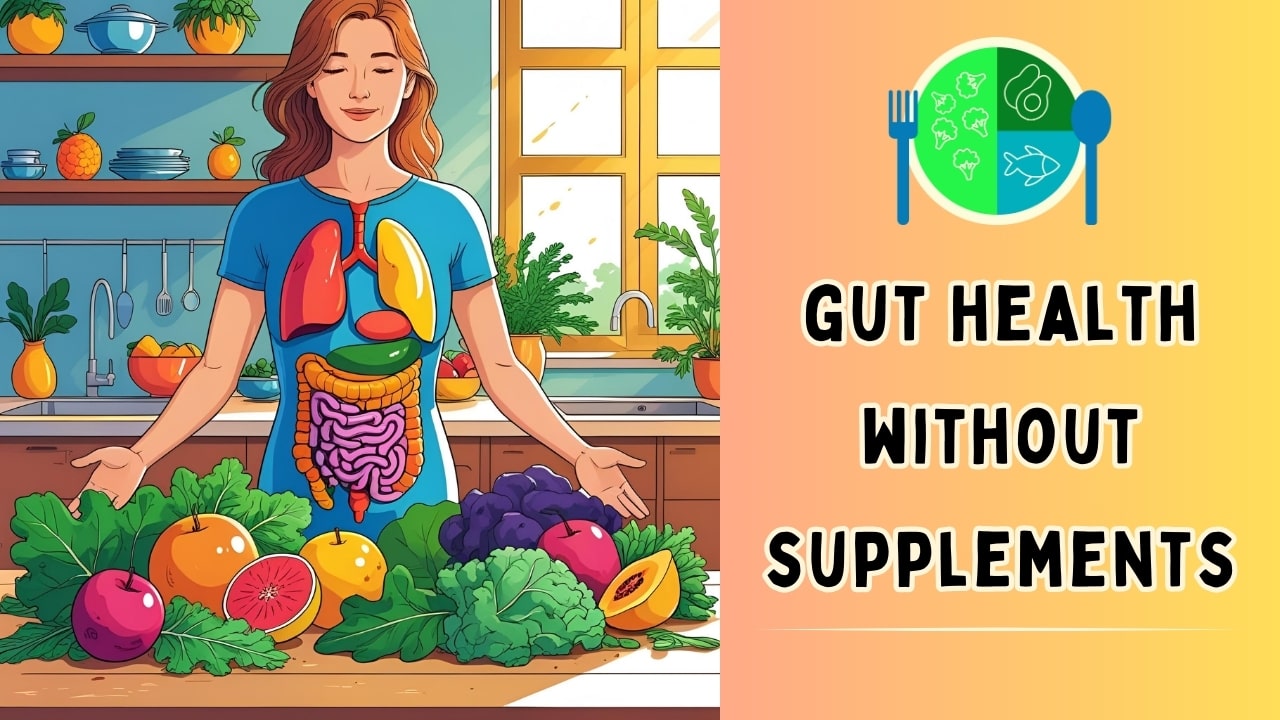
Gut health has become one of the hottest topics in wellness—and for good reason. Your digestive system is home to trillions of bacteria, fungi, and other microorganisms collectively known as the gut microbiome. When this ecosystem is balanced, it does more than help you digest food. It influences your mood, energy levels, immunity, and even your skin.
But here’s the good news: you don’t need expensive powders, capsules, or probiotic supplements to nurture your gut. Some of the most powerful tools for better digestion and microbiome balance are found in your daily habits and food choices.
This article will guide you step by step through natural, evidence-backed ways to improve gut health without supplements—all while staying practical, affordable, and sustainable.
🌱 Why Gut Health Matters
The gut has often been called the “second brain” because of its powerful connection to your nervous system and mood. Around 70% of your immune system is located in the gut, meaning its health directly affects how resilient you are to infections and inflammation.
Research has linked a healthy gut microbiome to:
- Stronger immunity
- Better nutrient absorption
- Reduced risk of chronic illnesses
- Improved mood and mental clarity
- Healthier skin and fewer breakouts
On the flip side, poor gut health may contribute to bloating, fatigue, brain fog, food intolerances, and even anxiety.
So, how can you strengthen your gut microbiome—without reaching for a supplement bottle? Let’s dive in.
🥦 1. Eat More Fibre-Rich Whole Foods
Fibre is the ultimate gut fuel. Your beneficial bacteria thrive on prebiotics, a type of fibre that acts like fertilizer for your microbiome. When you don’t eat enough fibre, those good microbes starve and harmful ones can take over.
Some of the best fibre-rich foods include:
- Lentils, beans, and chickpeas
- Oats, barley, and quinoa
- Broccoli, Brussels sprouts, and carrots
- Apples, pears, and bananas
- Nuts and seeds
Aim for 25–35 grams of fibre per day. If that sounds overwhelming, start by simply adding an extra serving of vegetables to each meal.
👉 Amazon Pick: Bob’s Red Mill Organic Old Fashioned Rolled Oats – A reliable, affordable pantry staple that provides fibre and supports steady digestion.
💧 2. Prioritise Hydration
Your digestive system needs water to keep things moving. Fibre, in particular, works best when it absorbs water and helps create softer, easier-to-pass stools.
Dehydration can slow digestion, leading to bloating and constipation, which can disrupt the gut microbiome.
- Aim for 8–10 glasses of water daily.
- Herbal teas like peppermint or ginger tea also support digestion.
- Limit sugary sodas and alcohol, which can irritate the gut lining.
A simple trick? Keep a reusable water bottle at your desk or in your bag as a reminder to sip throughout the day.
🛌 3. Improve Your Sleep Quality
Your gut microbiome follows a circadian rhythm, just like you do. Poor or irregular sleep patterns can throw off the balance of good bacteria. Studies suggest that even a few nights of poor sleep may negatively affect gut health.
Tips for better sleep:
- Stick to a consistent bedtime and wake-up time.
- Avoid heavy meals right before bed.
- Reduce blue light from phones or laptops an hour before sleep.
- Keep your room dark, cool, and quiet.
🧘 4. Manage Stress Naturally
Ever noticed your stomach gets upset when you’re anxious? That’s no coincidence. Stress alters the composition of your gut bacteria and can lead to issues like bloating, indigestion, and even irritable bowel syndrome (IBS).
Natural ways to calm stress:
- Meditation and deep breathing exercises
- Daily walks outdoors in fresh air
- Gentle yoga or stretching
- Journaling before bed
Consistency matters more than perfection. Even 10 minutes a day of stress relief can have a profound effect on your gut.
🚶 5. Stay Physically Active
Exercise doesn’t just benefit your muscles and heart—it’s great for your microbiome too. Regular movement improves bowel motility and may even increase microbial diversity.
Best gut-friendly activities include:
- Walking (especially after meals)
- Cycling or swimming
- Yoga and Pilates
- Strength training
You don’t need to train like an athlete—30 minutes of movement daily is enough to make a difference.
🥒 6. Eat Fermented Foods Regularly
Fermented foods are nature’s probiotics. They contain live bacteria that support gut diversity and balance. Unlike supplements, fermented foods come with added nutrients, flavour, and fibre.
Some great options:
- Yogurt with live cultures
- Sauerkraut
- Kimchi
- Kefir
- Kombucha
Try incorporating one fermented food into your daily diet. Start small if you’re new to these foods, as they can be powerful for digestion.
👉 Amazon Pick: Wildbrine Korean Kimchi – A flavourful, authentic kimchi that adds natural probiotics and a spicy kick to your meals.
🧂 7. Cut Back on Processed Foods
Processed foods high in sugar, unhealthy fats, and additives can disrupt your gut microbiome. They often lack fibre and provide the “bad” bacteria in your gut with fuel, leading to an imbalance.
Simple swaps:
- Replace sugary breakfast cereals with oatmeal.
- Choose whole-grain bread over white bread.
- Snack on nuts or fruit instead of crisps or biscuits.
Even gradual changes here make a huge impact.
🌞 8. Get Some Sunlight
Vitamin D plays a role in regulating gut bacteria and supporting immunity. Spending 10–20 minutes outside each day can naturally boost vitamin D levels.
If you live in an area with little sunlight, try spending time near windows or adding outdoor walks into your routine.
🍽️ 9. Practice Mindful Eating
Rushing through meals can stress your digestive system. Slowing down helps your body break down food more efficiently and reduces bloating.
Tips:
- Chew thoroughly—aim for 20–30 chews per bite.
- Put down your fork between bites.
- Avoid eating in front of a screen.
- Pay attention to hunger and fullness cues.
🧄 10. Include Natural Gut-Healing Foods
Certain foods are especially soothing for the gut lining and help restore balance:
- Garlic and onions – prebiotic-rich foods that feed healthy bacteria.
- Bone broth – packed with amino acids that support gut repair.
- Bananas – gentle on digestion and provide prebiotic fibre.
- Ginger – reduces inflammation and supports motility.
👉 Amazon Pick: Kettle & Fire Bone Broth Variety Pack – A convenient, high-quality way to add gut-friendly nutrients to your daily meals.
❌ What to Avoid for a Healthy Gut
Just as important as what you add is what you avoid. Common gut disruptors include:
- Excess alcohol
- Artificial sweeteners
- High doses of caffeine
- Overuse of antibiotics (only when medically necessary)
✅ Final Thoughts
Improving your gut health doesn’t require expensive supplements or complicated routines. By focusing on fibre-rich foods, hydration, stress management, sleep, and fermented foods, you can create lasting improvements for your digestion, energy, and overall well-being.
Remember: your gut thrives on consistency. Small, daily choices—like drinking more water, eating an extra serving of vegetables, or taking a short walk after dinner—stack up to create a healthier microbiome over time.
Your journey to better gut health starts not in a bottle, but on your plate and in your lifestyle.
📌 FAQs About Gut Health Without Supplements
Most people notice changes in digestion and energy within 2–4 weeks of consistent lifestyle changes. A deeper microbiome balance can take several months.
Yes—fermented foods like yogurt, kimchi, and sauerkraut often provide as many beneficial bacteria as probiotic supplements, plus extra nutrients.
Begin with fibre. Adding an extra serving of vegetables or switching to whole grains is one of the fastest ways to support your gut.
References
- “Influence of Foods and Nutrition on the Gut Microbiome” – A scientific review summarizing how dietary components shape gut health and microbiome composition.
- “Elucidating the role of diet in maintaining gut health” – A 2024 review highlighting how polyphenols and plant-based whole foods bolster beneficial gut bacteria.
- “Diet and the Human Gut Microbiome” – Outlines how dietary shifts and interventions influence the human microbiome.
- “Unveiling roles of beneficial gut bacteria and optimal diets” – A 2025 review detailing how prebiotic-rich foods, fermented options, and polyphenols support microbiome diversity and stability.
- VicHealth – Better Health (Australia): Recommends improving gut health through whole foods and lifestyle rather than supplements, emphasizing natural nutrient interactions.
- Cleveland Clinic – “What Is Your Gut Microbiome?”: Highlights how a diverse, plant-rich diet supports microbiome health, suggesting food trumps supplements alone.
>> Read our post on how to Boost Metabolism and Fat Loss