Key Takeaways
- Plan one anchor meal per day so you are not buying every bite from gas stations or drive-throughs.
- A small cooler, refillable water bottles, and a grocery stop can cut food costs while improving variety.
- Spend intentionally on local food or one memorable meal instead of random snacks bought when everyone is tired.
- Food safety matters on the road, especially for dairy, meats, cut fruit, leftovers, and allergy-sensitive foods.
- The best road trip food budget is flexible enough for delays, picky eaters, and places where prices are higher than expected.
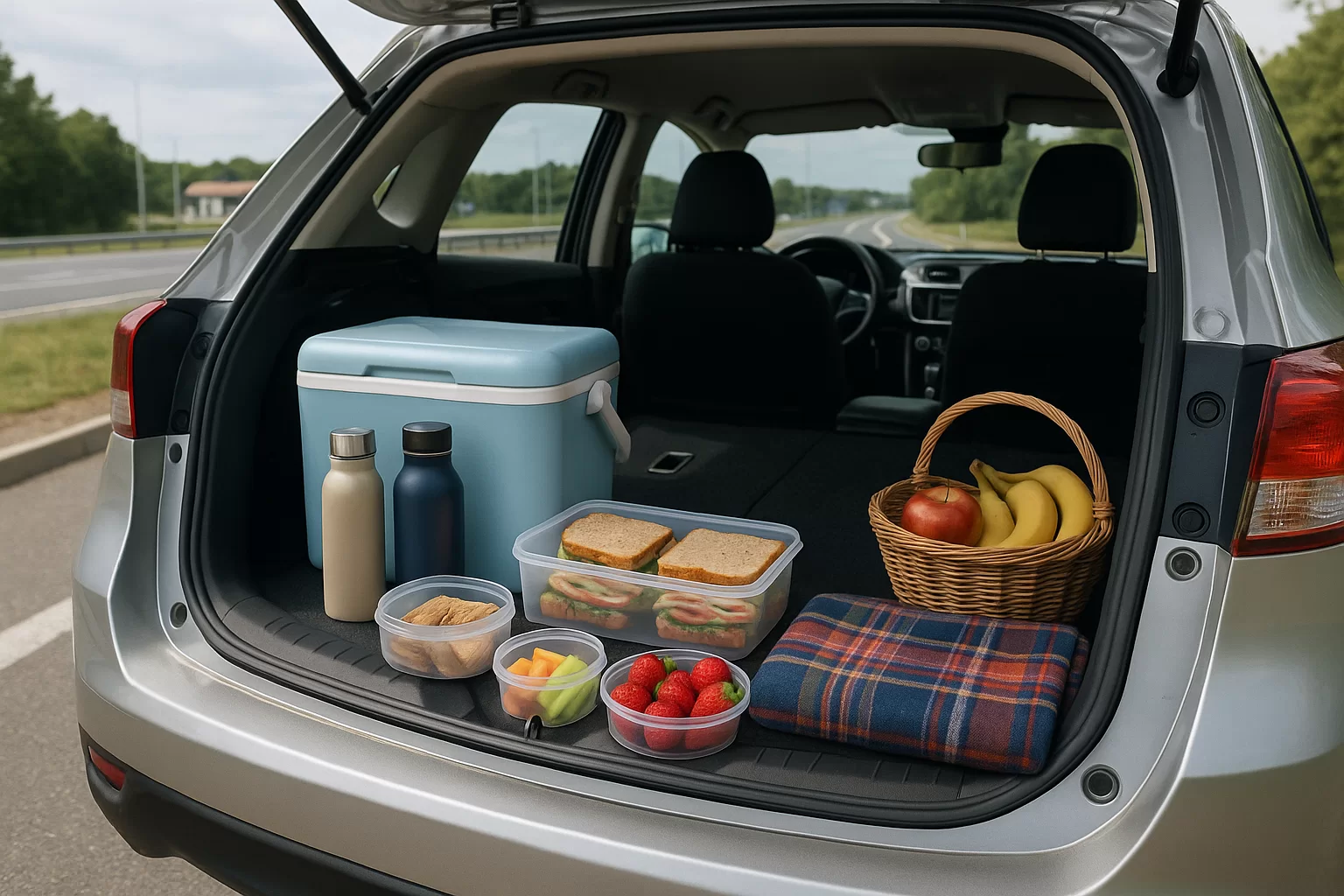
Learning how to eat well on a road trip without overspending is less about strict rules and more about reducing expensive last-minute decisions. When you are hungry, stuck in traffic, or traveling with kids, convenience food wins unless you have an easier option ready.
A good road trip food plan combines three things: food you pack, smart grocery stops, and a few meals you choose on purpose. That keeps the trip enjoyable without turning your car into a rolling pantry or making every stop feel like a budget failure.
Quick Answer
To eat well on a road trip without overspending, set a daily food budget before you leave, pack breakfasts and snacks, use grocery stores for easy lunches, and save restaurants for planned meals. Bring a cooler for protein-rich foods, fruit, yogurt, cheese, hummus, and leftovers only if you can keep them cold. Refill water bottles instead of buying drinks at every stop. Check menus, grocery hours, hotel amenities, and local prices as you go, because rural exits, tourist towns, airports, and late-night stops can cost much more than expected.
Food Decision Builder
Choose your goal, time, meal style, and comfort level to get a practical food direction.
Choose the options above, then build a recommendation you can use with the checklist, table, and sources in this guide.
In This Guide
How to Eat Well on a Road Trip Without Overspending
Start with a food budget that matches your route, travelers, and style. A couple driving six hours with hotel breakfast included needs a different plan than a family crossing three states with food allergies and no refrigerator at night. The useful question is not how little you can spend, but where money will improve the trip.
Break the day into breakfast, lunch, dinner, snacks, drinks, and treats. Then decide which categories you will pack, which you will buy cheaply, and which you will enjoy as part of the experience. This turns food from a string of impulse purchases into a simple travel system.
Choose one daily splurge
Pick one thing worth paying for, such as local barbecue, a lakeside coffee, or dinner after a long drive. When the splurge is planned, it feels rewarding instead of like a budget leak.
Pack your default breakfast
Breakfast is often the easiest meal to control. Oat cups, boiled eggs, fruit, nut butter, yogurt, or bagels can prevent expensive early stops before everyone is fully awake.
Use grocery stores as meal stops
A supermarket can provide rotisserie chicken, salad kits, wraps, fruit, and drinks for less than many restaurant meals. It also lets travelers choose different foods without ordering separately.
Budget for boredom snacks
Long drives create snack cravings even when people are not truly hungry. Build in a small snack allowance so treats stay fun and do not quietly replace your entire food budget.
| Trip moment | Best buy | Pack from home | Skip often | Budget win |
|---|---|---|---|---|
| Early start | Coffee refill | Fruit, oats | Full diner stop | Saves time |
| Midday drive | Deli wrap | Trail mix | Gas station lunch | Better value |
| Rest area | Ice refill | Sandwiches | Single drinks | Cooler stays safe |
| Tourist town | Shared entree | Kids snacks | Random sweets | Less markup |
| Late arrival | Grocery meal | Shelf-stable soup | Delivery fees | Predictable cost |
Current-check reminder: Before the travel day, look up hotel breakfast details, grocery hours, rest areas, and whether your room has a refrigerator or microwave. A five-minute check can prevent a costly late-night meal or wasted cooler food.
Pack Meals and Snacks That Actually Get Eaten
The best packed food is familiar, tidy, and easy to serve from the passenger seat or a picnic table. Avoid building a beautiful cooler full of foods your group only eats at home with plates, sauces, and a calm kitchen. Road trip food should be lower-mess, portioned, and forgiving.
Think in meal modules: protein, produce, crunch, and a treat. Examples include turkey wraps with grapes and pretzels, hummus cups with pita and cucumbers, tuna packets with crackers and apples, or peanut-free seed butter with bananas if allergies are a concern. Keep a small trash bag, wipes, napkins, clips, and a blunt spreading knife where you can reach them.
A simple pack list for most trips
- Cooler foods: yogurt, cheese sticks, hard-boiled eggs, hummus, cut vegetables, berries, chilled sandwiches, and cooked chicken.
- Shelf-stable foods: nuts or seeds, granola bars, popcorn, tuna packets, crackers, applesauce pouches, dried fruit, and instant oats.
- Hydration: refillable bottles, an insulated jug, electrolyte packets if appropriate, and a few backup waters for delays.
- Serving kit: napkins, wipes, hand sanitizer, resealable bags, spoons, small cutting board, and a dedicated bag for trash.
For a two-day trip, pack less variety and more of what reliably disappears. Too many options can create clutter, melting, and half-open packages. If your group includes children, let each person choose a limited snack bag before departure so they have control without turning every stop into a negotiation.
Common mistakes include packing only carbs, forgetting drinks, leaving the cooler in a hot trunk, and bringing foods that require assembly during stressful driving stretches. Another mistake is overpacking perishables on a route with easy grocery access. If stores are plentiful, carry enough for the next meal and use fresh restocks.
Where to Spend, Where to Save, and When to Stop
Restaurants are not the enemy; unplanned restaurant dependency is. If you are driving through a place known for a regional dish, spending there may be part of the trip. The savings come from not paying restaurant prices for every breakfast, drink, and snack simply because there was no plan.
Use a two-stop rhythm on long days: one practical grocery or picnic stop, and one enjoyable food stop. When comparing options, check the full cost, not just the menu price. Delivery fees, resort-area markups, parking, tips, and kids ordering separate drinks can double what looked like a modest meal.
Decision guide: pack, grocery, or restaurant?
- Pack it when the meal is routine, the driving day is long, or the route has limited choices.
- Buy groceries when people want different foods, you need fresh produce, or a hotel meal would be overpriced.
- Choose a restaurant when it adds local flavor, gives everyone a real break, or prevents burnout after a hard travel day.
- Delay the stop when everyone only wants snacks because they are bored, not hungry.
Gas stations are useful for ice, restrooms, coffee, and emergency snacks, but they are rarely the cheapest place to feed a group. If you do stop, look beyond candy and chips. Many locations now sell bananas, nuts, yogurt, cheese, boiled eggs, unsweetened drinks, and simple sandwiches, though selection varies widely.
Watch for the hidden cost of beverages. Buying bottled drinks repeatedly can drain a food budget faster than one planned meal. A refillable bottle, a larger water jug, and occasional flavored packets or tea bags give you variety without filling the car with single-use bottles.
Food Safety, Allergies, and Health Needs on the Road
Eating well also means avoiding foodborne illness and respecting medical needs. Perishable foods need consistent cold storage, clean hands, and sensible timing. If you are unsure whether a food has stayed cold enough, do not gamble just because it was expensive or you dislike waste.
Allergy planning deserves extra care because road trips often involve unfamiliar restaurants, shared snacks, and limited choices at remote stops. Bring safe backup foods, read labels every time, keep allergy medications accessible if prescribed, and ask restaurants clear questions. For diabetes, pregnancy, kidney disease, heart conditions, or other medical concerns, follow professional guidance for your situation.
Keep cold food cold
Pack the cooler tightly, use frozen water bottles or ice packs, and open it only when needed. Store dairy, meats, eggs, seafood, and cut produce in the coldest area.
Separate allergy-safe foods
Use labeled bags or containers for allergy-safe items and keep them away from shared snacks. On a crowded trip, visual separation helps prevent mix-ups when everyone is tired.
Build balanced snack pairs
Pair carbohydrates with protein, fat, or fiber when possible. Apples with cheese, crackers with tuna, carrots with hummus, or yogurt with granola keep energy steadier than sweets alone.
Know when to ask for help
If travel eating affects a medical condition, medication timing, digestion, or severe allergies, ask a qualified clinician or registered dietitian before the trip rather than improvising on the road.
Food safety rule of thumb: Treat your cooler like a temporary refrigerator, not a storage bin. Replace ice as needed, keep raw items separate, wash or sanitize hands before eating, and throw away questionable perishables.
Picnic areas and rest stops can be cleaner and calmer than eating inside the car, but they still require basic hygiene. Carry hand wipes, sanitizer, a clean surface or tray, and bags for trash. If a table looks dirty, use your own barrier rather than setting food directly on it.
For healthier choices, aim for good enough, not perfect. A road trip day with fruit, water, protein, and one fast-food meal can still be balanced. The goal is to avoid a pattern where every stop is sugary drinks, fried sides, and oversized portions because no other option is ready.
Road Trip Food Budget Builder
Use this quick tool before you leave, then adjust as you learn the route. Prices change by region and season, so treat the result as a spending guardrail rather than a strict allowance. The main benefit is making tradeoffs visible before hunger makes decisions for you.
Write the number on a note in your phone and track only categories, not every crumb. If you overspend at lunch because you found a great local place, recover by using packed snacks and a grocery dinner instead of feeling like the whole budget failed.
Step 1: Estimate your daily baseline
- Adults: planned meals per person plus drinks and snacks.
- Children: smaller meals, but more snack flexibility.
- Route factor: add extra for tourist areas, remote highways, or late arrivals.
- Diet factor: add extra for allergy-safe, gluten-free, high-protein, or specialty foods if needed.
Step 2: Use a simple formula
Daily food target = packed food cost + grocery stops + planned restaurant meals + emergency buffer. A useful buffer is 10 to 20 percent, especially with kids, long mileage days, or uncertain lodging. If your hotel includes breakfast, subtract that only after confirming what is actually offered.
Step 3: Pick your guardrails
- One purchased drink per person per day, then refill bottles.
- One restaurant meal on heavy driving days, two only if planned.
- Grocery restock before tourist zones when practical.
- Emergency snacks reserved for traffic, closures, and late arrivals.
Here is a practical example. Two adults on a three-day drive might pack 30 dollars of breakfast foods and snacks, plan 25 dollars per day for grocery lunches, choose one 55 dollar local dinner, and keep a 30 dollar buffer. That plan costs less than buying three meals out daily, but still leaves room for enjoyment.
For a family, the same method works better than a single strict number. Assign a snack bag to each child, pack a shared cooler lunch, and preselect one restaurant stop. If the kids are excited about a specific treat, put it in the plan so it does not become five separate impulse stops.
Summary and Final Thoughts
The easiest way to eat well on a road trip without overspending is to plan the ordinary food and enjoy the special food. Pack dependable breakfasts, snacks, water, and a few simple meals; use grocery stores for value; and save restaurants for moments that improve the trip.
Stay flexible. Weather, traffic, fatigue, food allergies, and local prices can change the best choice. A strong food plan gives you options, protects your budget, and keeps travelers fed without making the journey feel restrictive.
FAQ
Is fast food cheaper than packing food for a road trip?
Fast food can be cheap for one person, but it often becomes expensive for groups once drinks, sides, and repeat stops are included. Packing breakfast, snacks, and water usually saves money, while a planned fast-food meal can still be useful on a difficult driving day.
How much should I budget for food on a road trip?
Start with your normal daily food spending, then adjust for your route, restaurants, hotel breakfast, and snacks. Add a 10 to 20 percent buffer for delays or higher prices. Families, specialty diets, and tourist destinations usually need more flexibility than a short solo trip.
What are the best foods to pack for a long drive?
Choose foods that are tidy, filling, and easy to portion. Good options include fruit, wraps, cheese sticks, yogurt, hummus, crackers, popcorn, trail mix, tuna packets, boiled eggs, and cut vegetables. Include protein and fiber so snacks keep travelers satisfied longer.
How can I keep road trip food safe in a cooler?
Use plenty of ice packs or frozen water bottles, pack perishables tightly, and limit how often the cooler opens. Keep it out of direct sun when possible. If dairy, meat, eggs, or cut produce becomes warm for too long, it is safer to discard it.
How do I manage food allergies while traveling by car?
Pack clearly labeled allergy-safe foods, keep them separate from shared snacks, and carry any prescribed medication where it is easy to reach. Read labels at each purchase because ingredients can change. At restaurants, ask direct questions about ingredients and cross-contact before ordering.
Sources and Further Reading
- 5 Easy-To-Pack Road Trip Snacks To Try
- What are some cost-saving measures when taking road trips with multiple people in one vehicle?
- Mom Hacks For Road Trips - Family Vacation
- How to Choose A Great Vehicle For Long Road Trips?
- CDC: Traveling with Food and Water
- American Heart Association: Healthy Eating on the Road