Key Takeaways
- Choose snacks that combine carbohydrates, protein, fat, and fiber so you stay satisfied longer.
- For warm days, avoid chocolate-coated, creamy, or moist snacks that melt, leak, or spoil faster.
- Pack allergy-aware options and keep ingredient labels visible when traveling with a group.
- Flights, road trips, hikes, and hotel stays each need different textures, portions, and mess levels.
- When in doubt about safety, discard food that smells off, looks wet, or has damaged packaging.
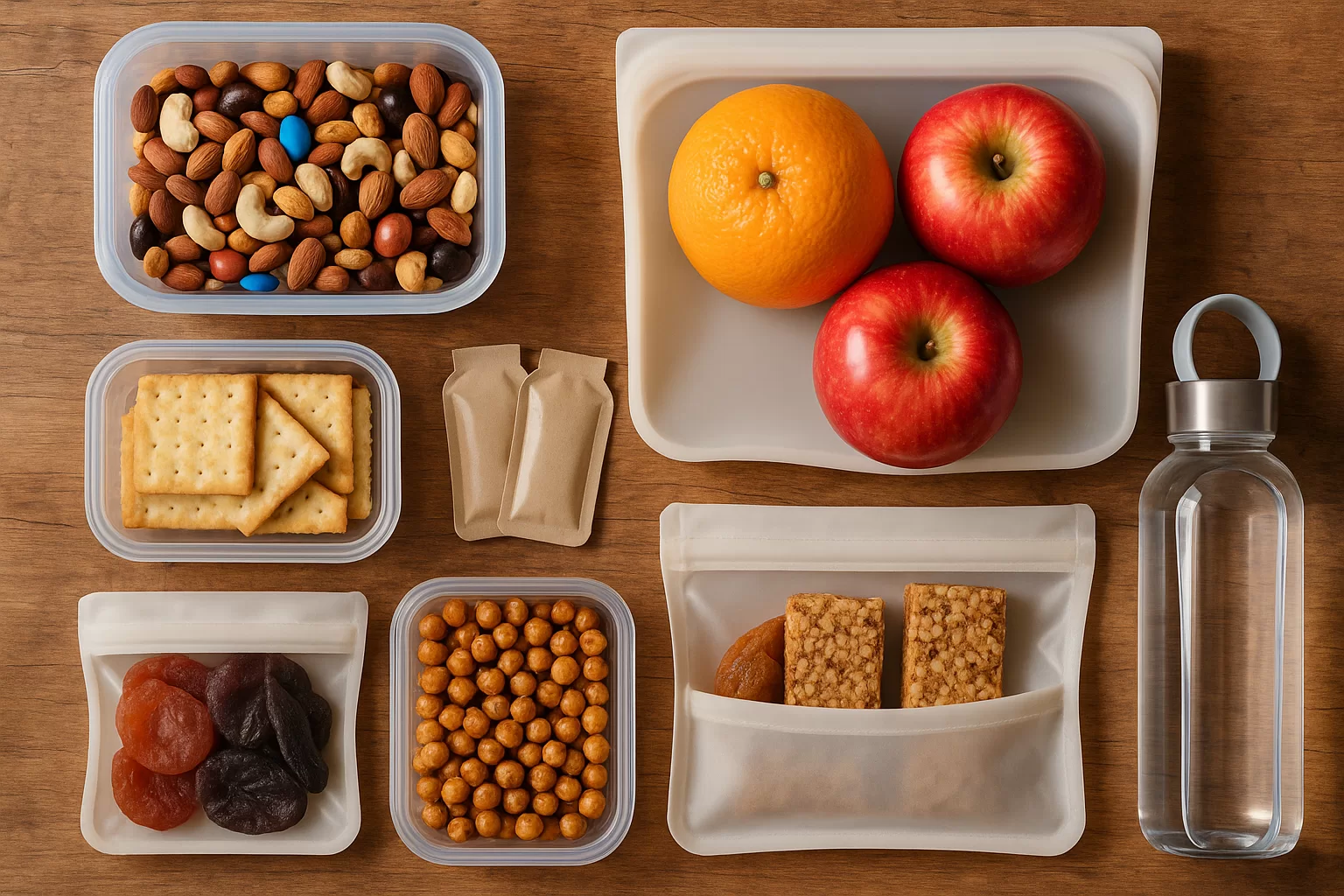
Finding easy travel snacks that do not need refrigeration can turn a long travel day from stressful to smooth. The best options are not just shelf-stable; they are easy to open, unlikely to crush, satisfying enough to prevent impulse purchases, and practical for the place you are traveling.
This guide focuses on real-life packing decisions: what to bring for flights, road trips, kids, dietary needs, warm weather, and unpredictable delays. Use it as a flexible snack plan, then check current airline, border, school, or venue rules before you pack.
Quick Answer
The best travel snacks without refrigeration are sturdy, shelf-stable foods that balance energy and convenience: trail mix, roasted chickpeas, jerky, granola bars, nut or seed butter packets, whole fruit, crackers, rice cakes, dried fruit, tuna or chicken pouches, and instant oatmeal cups. For longer trips, combine one crunchy carbohydrate, one protein source, one fruit or vegetable-style option, and one small treat. Avoid anything creamy, very salty, crumbly, strongly scented, or temperature-sensitive if you will be in a car, airport, bus, or shared space for several hours.
Food Decision Builder
Choose your goal, time, meal style, and comfort level to get a practical food direction.
Choose the options above, then build a recommendation you can use with the checklist, table, and sources in this guide.
In This Guide
Easy Travel Snacks That Do Not Need Refrigeration
Great shelf-stable snacks solve three problems at once: hunger, mess, and timing. A granola bar may be enough for a short errand, but a delayed flight or mountain drive usually calls for more protein and fiber. Think in small combinations rather than single foods.
Before packing, consider heat, customs restrictions, allergies, and how easy the food is to eat without utensils. Whole, dry, sealed, and individually portioned foods usually travel better than soft, sticky, or wet foods.
Crunchy Base
Whole-grain crackers, pretzels, rice cakes, popcorn, and cereal squares give quick energy and texture. Pick sturdy shapes over delicate crackers if your bag will be squeezed under a seat or stacked in a trunk.
Protein Boost
Jerky, roasted edamame, roasted chickpeas, protein bars, tuna pouches, and nut or seed butter packets help snacks feel more like mini meals. Check sodium levels if you are sensitive to salt while flying.
Fruit and Sweet
Apples, oranges, bananas, raisins, dates, mango strips, fruit leather, and unsweetened applesauce pouches add variety. Choose firmer fresh fruit for bags, and keep dried fruit portions modest because it is easy to overeat.
Comfort Extras
A small treat can prevent expensive convenience-store stops. Pack a few cookies, dark chocolate in cool weather, mints, or hard candy, but avoid meltable coatings and sticky wrappers during hot road trips.
For most adults, a strong snack pairing looks like crackers with nut butter, trail mix with dried fruit, jerky with an apple, or roasted chickpeas with popcorn. Children may do better with smaller portions and familiar textures, especially during turbulence, winding roads, or late-night travel.
Travelers with diabetes, kidney disease, food allergies, pregnancy-related restrictions, swallowing concerns, or medically required diets should use professional guidance when choosing snacks. Shelf-stable does not automatically mean appropriate for every health need.
Build a Balanced Snack Kit for Any Trip
The easiest way to pack is to decide how many snack moments you need, then build each one around a simple formula: one carbohydrate, one protein or fat, and one flavor or freshness element. This keeps your bag organized and reduces random overpacking.
Use the table as a quick decision tool. It is especially helpful when packing for families, work travel, or mixed transportation days where you may not know when the next meal will happen.
| Travel Need | Best Pick | Pair With | Avoid | Why It Works |
|---|---|---|---|---|
| Short flight | Granola bar | Apple | Tuna pouch | Low mess |
| Road trip | Trail mix | Water | Chocolate mix | Easy portions |
| Kid snack | Cereal cup | Fruit pouch | Sticky candy | Familiar taste |
| High protein | Jerky | Crackers | Extra salty packs | More filling |
| Warm weather | Roasted chickpeas | Dried fruit | Yogurt snacks | Heat stable |
| Hotel room | Oatmeal cup | Nut butter | Glass jars | Simple breakfast |
Travel Snack Planner Tool
Step 1: Count expected hours from leaving home until your next reliable meal.
Step 2: Plan one snack for every three to four hours, plus one backup snack for delays.
Step 3: For each snack, pack a carbohydrate, a protein or fat, and water or a shelf-stable drink if allowed.
Step 4: Add one emergency item per person, such as a bar, nut-free mix, or plain crackers.
For example, a six-hour road trip with two adults might need four planned snack portions and two backups: pretzels with peanut butter packets, trail mix, apples with jerky, and popcorn with roasted edamame. The backup could be plain bars that stay sealed until needed.
For a full travel day, separate snacks into meal-adjacent and emergency categories. Meal-adjacent snacks are more satisfying, like oatmeal cups, tuna pouches, or chickpea snacks. Emergency snacks are simple, sealed, and durable, like bars, crackers, or dried fruit.
Packing, Food Safety, and Allergy Checks
No-refrigeration snacks are convenient, but they still need basic food safety. Inspect packaging before you leave, keep food dry, avoid crushed pouches, and do not rely on a hot car as a pantry. Heat can affect flavor, texture, and safety, especially for oily nuts, meat snacks, and soft packaged foods.
Allergies matter in shared cars, planes, buses, classrooms, and group tours. If anyone has a severe allergy, choose clearly labeled foods, keep allergens sealed, wash hands when possible, and follow the traveler’s medical plan rather than casual advice.
Use Clear Portions
Small bags or containers stop everyone from digging through one shared pouch. Portions also reduce waste because you can open only what you need during a delay, hike, or airport wait.
Keep Labels
Ingredient labels help with allergies, dietary preferences, and security questions. If repacking food, photograph labels first or keep the original wrapper inside your snack bag until the trip is over.
Separate Strong Smells
Tuna, jerky, seasoned seaweed, and onion-flavored snacks can bother nearby travelers. Save stronger foods for outdoor stops, hotel rooms, or private cars rather than opening them in crowded rows.
Plan for Hands
Pack napkins, wipes, and a small trash bag. Many snack failures are not about the food itself but about sticky fingers, spilled crumbs, and nowhere to put wrappers.
For air travel, remember that liquid, gel, and spread rules can affect items such as applesauce pouches, hummus, jam, dips, and larger nut butter containers. Solid snacks are usually easier, but rules can change and international travel may restrict fresh produce, meat, seeds, or agricultural items.
For road trips, keep snack bags out of direct sun and avoid leaving opened food overnight in a hot vehicle. If a package is swollen, leaking, unusually wet, or smells rancid, throw it away. Saving a few dollars is not worth a sick travel day.
Match Snacks to Your Travel Style
The right snack depends on how you will eat it. A great hiking snack may be too noisy for a red-eye flight, while a neat airplane snack may feel too small after a long swim, theme park day, or roadside detour.
Use these travel-style pairings to avoid packing a bag full of good foods that do not fit the moment.
Flights and Airports
Choose quiet, low-odor, compact foods: bars, crackers, roasted chickpeas, trail mix without chocolate, apples, oranges, and single-serve seed butter packets. Avoid crumbly pastries, messy powders, and foods that require a can opener or draining.
Road Trips
Prioritize driver-safe snacks that do not coat fingers or require two hands. Pretzel sticks, apple slices packed dry, popcorn, trail mix, and jerky work well. Keep messy items for rest stops so the car stays cleaner.
Family Travel
Pack familiar snacks alongside one or two new options. Kids often eat better when portions are small and predictable. Choose nut-free alternatives if schools, camps, airplanes, or friends in the car require allergy-sensitive choices.
Outdoor Days
For hikes, beaches, and sightseeing, favor salty-crunchy plus sweet-fruity combinations. Heat-resistant foods like roasted legumes, nuts, dried fruit, tortillas, and shelf-stable pouches are easier than delicate bars or chocolate snacks.
Hotel stays deserve their own mini plan. Instant oatmeal cups, shelf-stable milk boxes, tea bags, nut butter packets, crackers, and fruit can create a simple breakfast or late-night snack without needing a refrigerator. Confirm whether your room has a kettle, microwave, or only hot water in the lobby.
If you are crossing borders or traveling to islands, check current rules before packing fruit, meat, seeds, nuts, or homemade foods. Agricultural restrictions are not always intuitive, and fines or confiscation can happen even when the snack seems harmless.
Common Mistakes to Avoid
The most common snack mistake is packing for appetite instead of conditions. A food that works beautifully at home may fail in a warm backpack, shared airplane row, or bumpy back seat.
Another mistake is packing only sweet snacks. Sugar-forward foods can be useful, but a whole day of bars, candy, and dried fruit often leaves travelers thirsty and still hungry. Add protein, fat, and fiber whenever you can.
- Overpacking fragile foods: chips, thin crackers, and soft pastries often become crumbs before you need them.
- Ignoring hydration: salty snacks without water can worsen headaches and fatigue during travel.
- Bringing only new foods: unfamiliar flavors can backfire with kids, sensitive stomachs, or nervous travelers.
- Forgetting trash: wrappers, peels, and sticky wipes need a place to go between stops.
- Assuming every snack is allowed: airports, stadiums, theme parks, and borders may have different rules.
- Leaving food in heat: cars, beach bags, and dark backpacks can get hotter than expected.
A smart packing rule is to put your most durable snacks at the bottom, your most frequently used snacks near the top, and emergency snacks in a separate pocket. This prevents the best options from being crushed or eaten too early.
Also consider your return trip. If you plan to buy local treats, leave space in your bag and avoid packing more than you can realistically eat. Shelf-stable food still becomes waste if it is forgotten, stale, or repeatedly overheated.
Summary and Final Thoughts
Easy travel snacks that do not need refrigeration are most useful when they are balanced, sturdy, and matched to your itinerary. Build around simple combinations: crunchy carbohydrate, protein or fat, fruit or fiber, and water when available.
Before each trip, do one last check for allergies, heat, current travel rules, and the people you are feeding. A small amount of planning can save money, reduce stress, and keep everyone more comfortable between meals.
FAQ
What snacks can I bring on a plane without refrigeration?
Good airplane options include granola bars, trail mix, crackers, pretzels, roasted chickpeas, apples, oranges, dried fruit, jerky, and nut or seed butter packets that meet current liquid or spread rules. Choose low-odor foods and check airline or security guidance before flying.
What are the best no-refrigeration snacks for kids?
Kid-friendly choices include cereal cups, crackers, fruit leather, applesauce pouches when permitted, pretzels, granola bites, dried fruit, popcorn, and nut-free seed mixes. Pack small portions, familiar flavors, wipes, and a backup snack in case delays or picky moments happen.
Can meat snacks travel safely without a cooler?
Commercially packaged shelf-stable jerky and meat sticks are designed for unrefrigerated storage until opened, but check the label. Avoid homemade meat snacks unless you know they were prepared and stored safely. Discard packages that are leaking, swollen, wet, or smell unusual.
How many snacks should I pack for a travel day?
A practical rule is one snack per person for every three to four hours away from a reliable meal, plus one backup per person. Increase the amount for children, long transfers, outdoor activities, or trips where food availability is uncertain.
Which travel snacks should I avoid in hot weather?
Skip chocolate-coated bars, yogurt-covered snacks, soft cheese, creamy dips, mayonnaise-based foods, delicate pastries, and anything that becomes sticky or unsafe in heat. Choose roasted legumes, crackers, dried fruit, jerky, whole fruit, nut butter packets, and heat-stable bars instead.